

General repair
Garage Door Repair
Tell us what the door is doing and we'll get it in front of someone who can fix it — with the price agreed before the work starts.
See what's includedGarage door repair · Chicago, IL
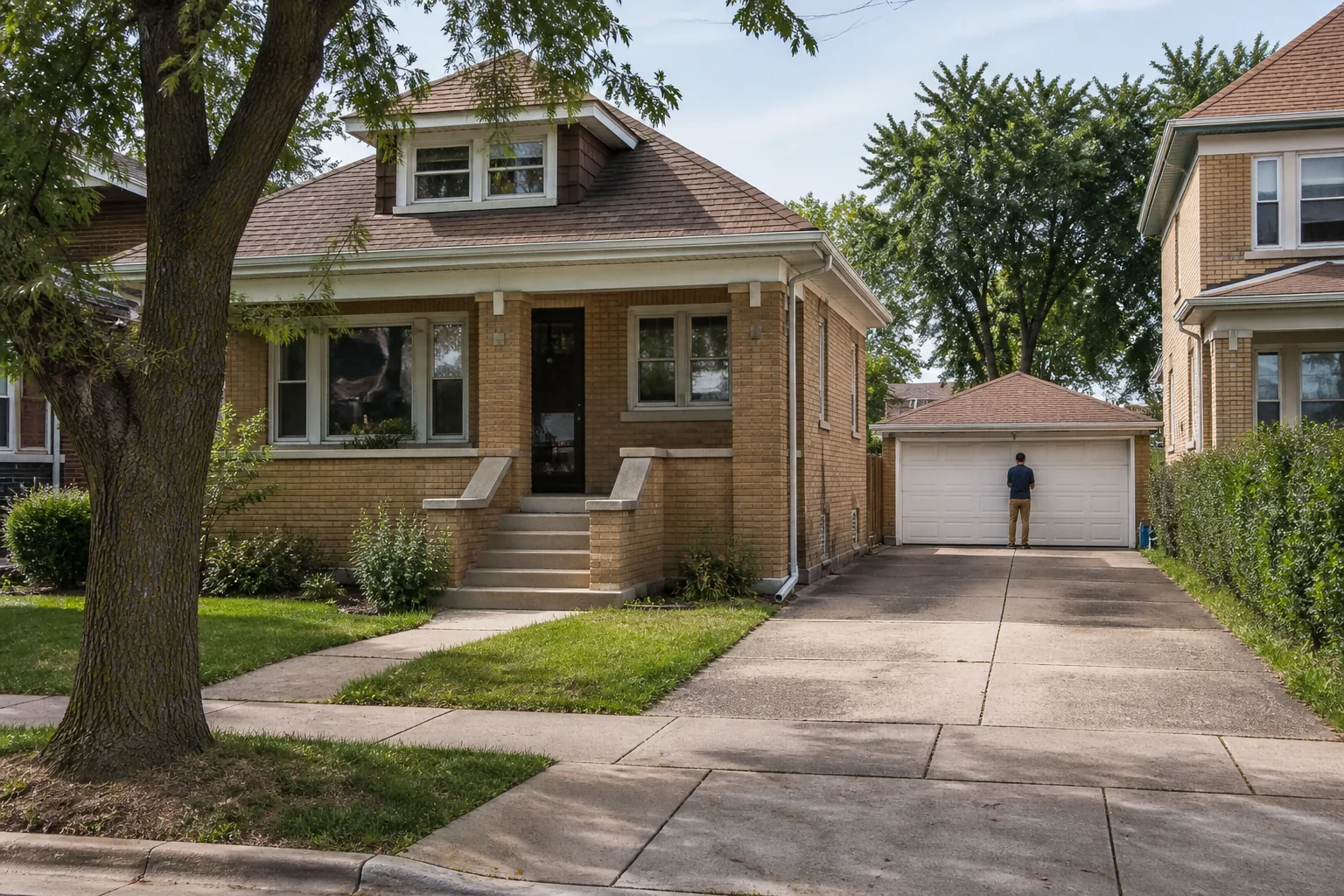
Nearly every Chicago garage stands on its own at the alley, and winter finds it. Say what yours is doing and see the price before work starts.
Portage Park, Norwood Park, Beverly, and the streets either side of them.
Springs, cables, openers, sensors, tracks, panels, seals, and full replacements.
You hear what failed and what it costs first. Saying no at that point costs you nothing.
Ask before 5 p.m. on a weekday and you hear back that business day.
Why us for this door
There's no heat leaking into a garage that touches nothing, so by January the springs, the grease and the opener are all running at whatever the alley is running at. Cold steel is less forgiving, cold grease is thicker, and a spring that was borderline in October goes on the first genuinely brutal morning.
The alley matters just as much for getting the work done, because in February it narrows to one lane between snow piles. Say which block and what is built above the garage. What it takes and what it costs are put to you before starting.
Get my door fixedWhere we work
Portage Park and Norwood Park run standard detached garages; Logan Square and Bridgeport often have a deck or a coach house above. Say which.
Plenty of the work we take isn't in Chicago proper. These are the towns around it and what tends to be different about a door there.
Don't see your street or your town? These are the places where the housing changes enough to change the job — not the edge of where we go, and not a promise about your exact address either. We take work across Chicago and the wider Illinois area, and the address you send is what actually gets checked.Check my address
Repairs in Chicago
General repair
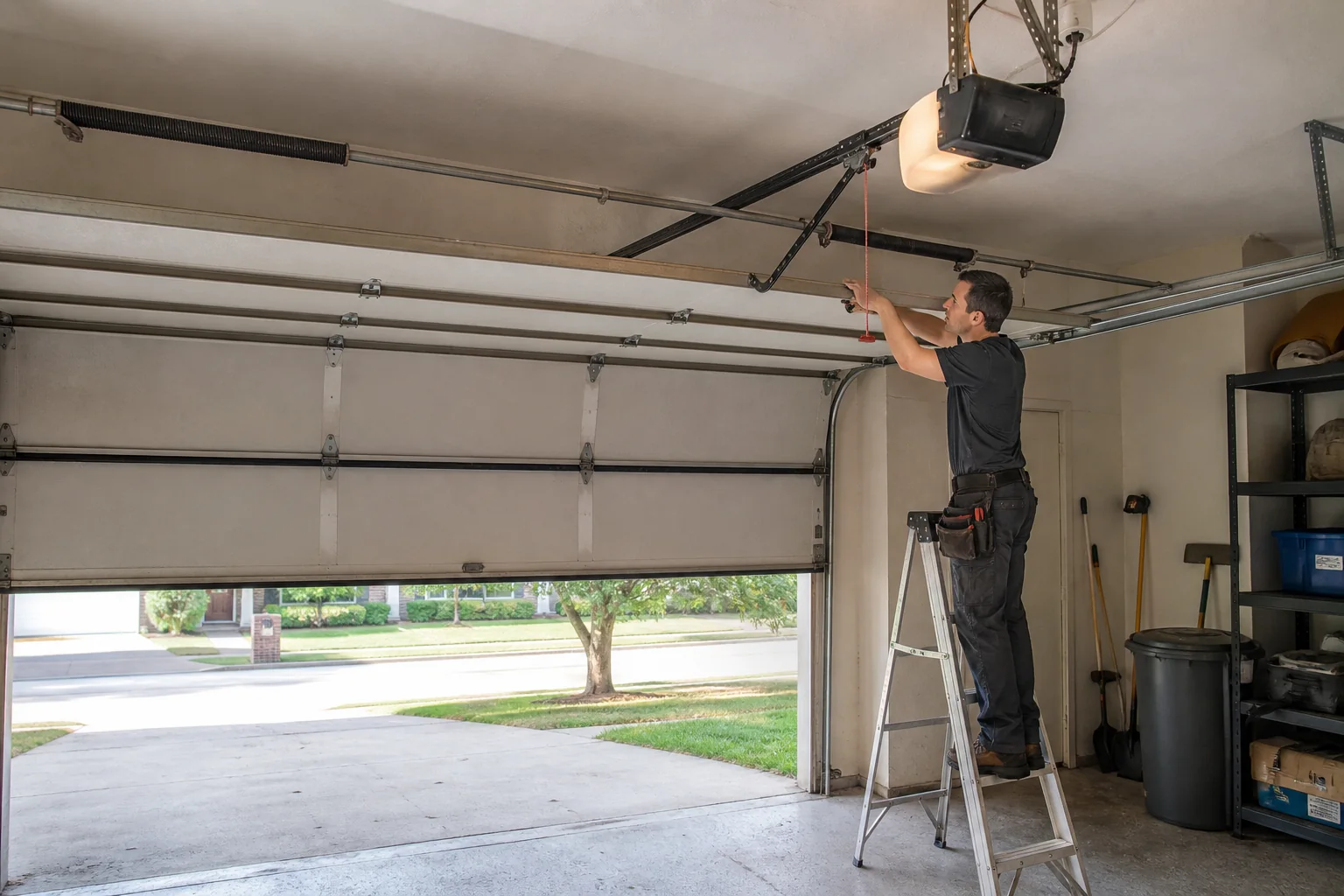
Tell us what the door is doing and we'll get it in front of someone who can fix it — with the price agreed before the work starts.
See what's included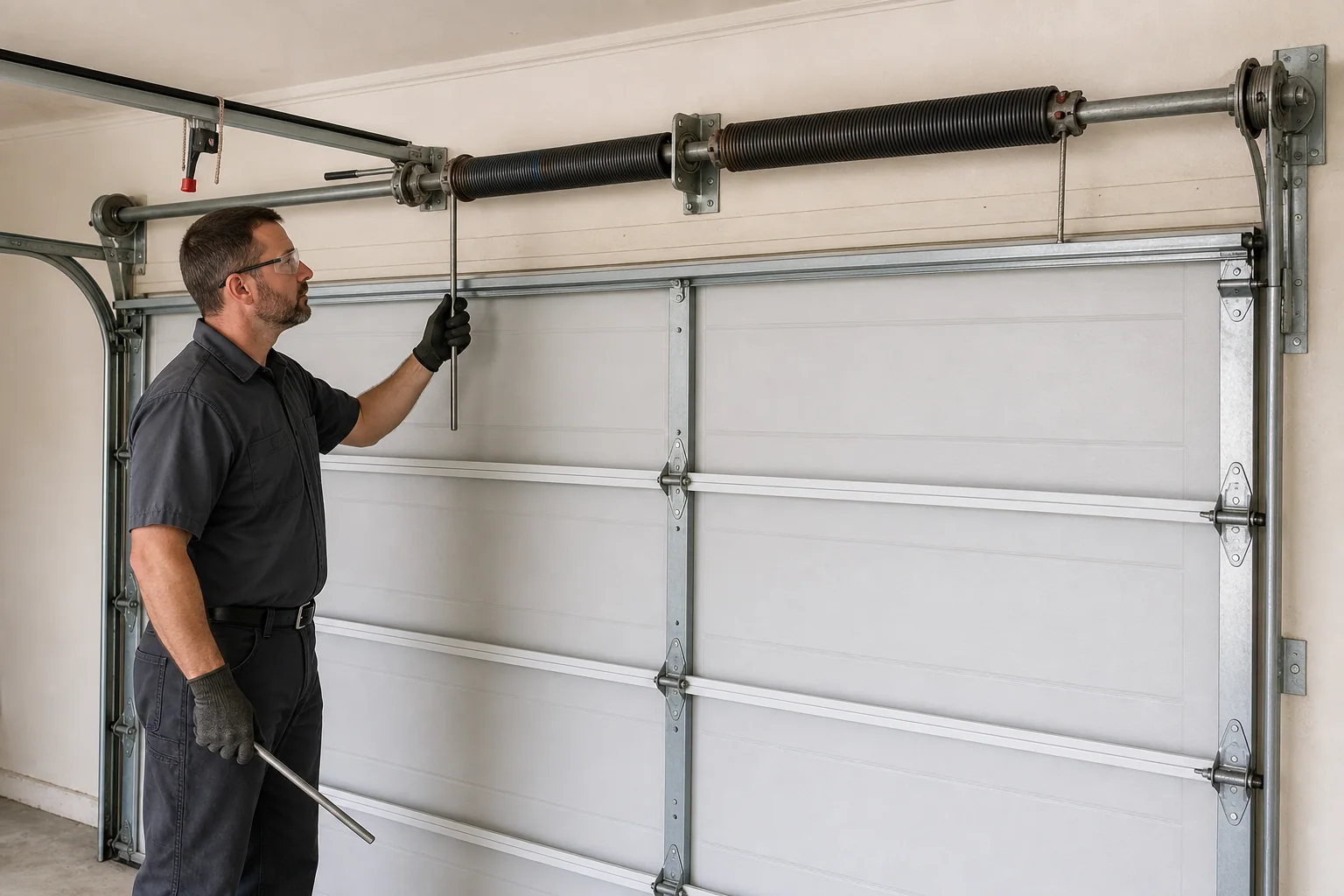
Springs and balance
If your door suddenly weighs a couple hundred pounds, a spring has almost certainly let go. Leave it down, keep everyone clear, and let someone with the right winding bars deal with it.
See what's included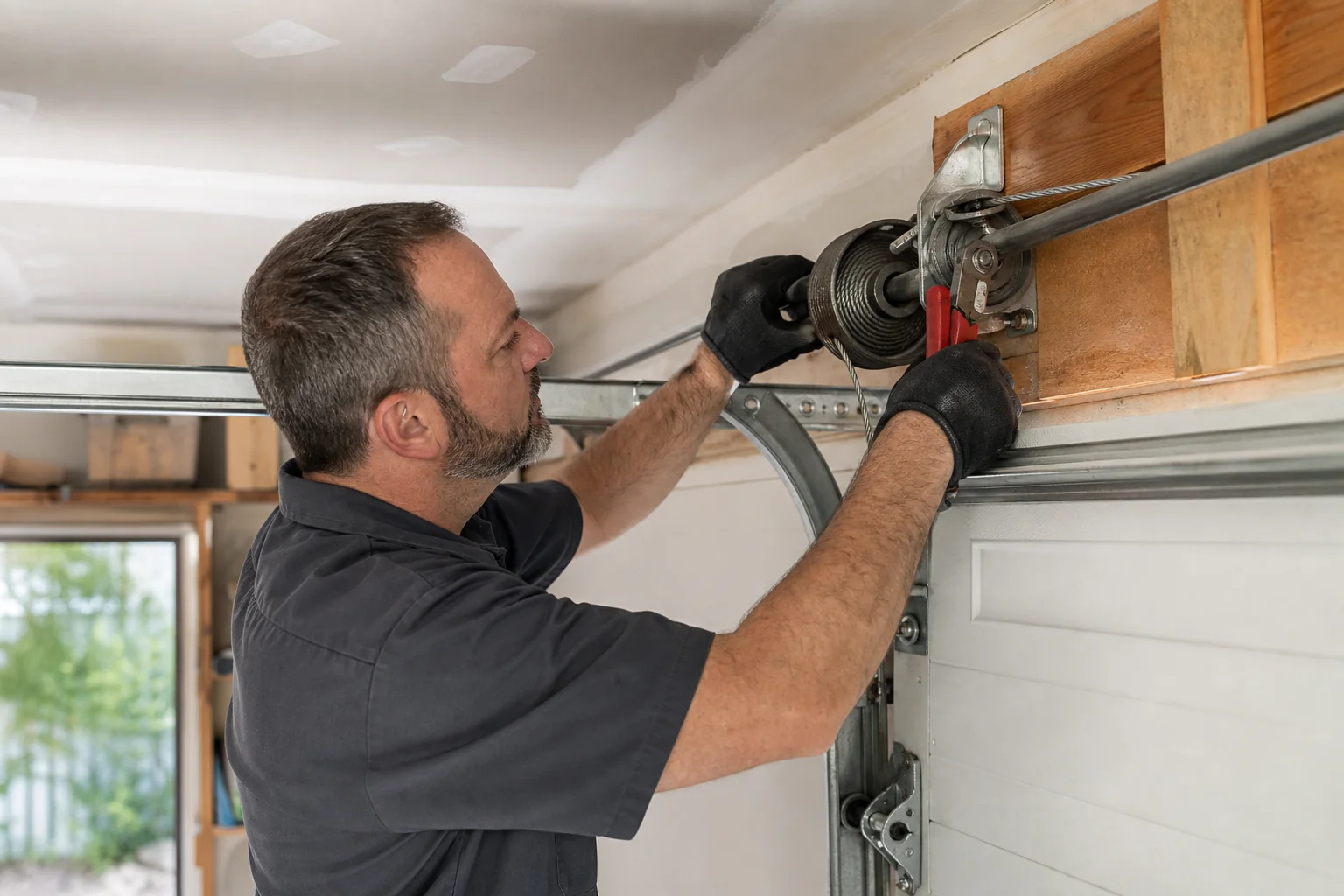
Cables and drums
One corner sitting lower, or a cable hanging off its drum, means the lift system is out of balance. It wants looking at before the next cycle, not after.
See what's included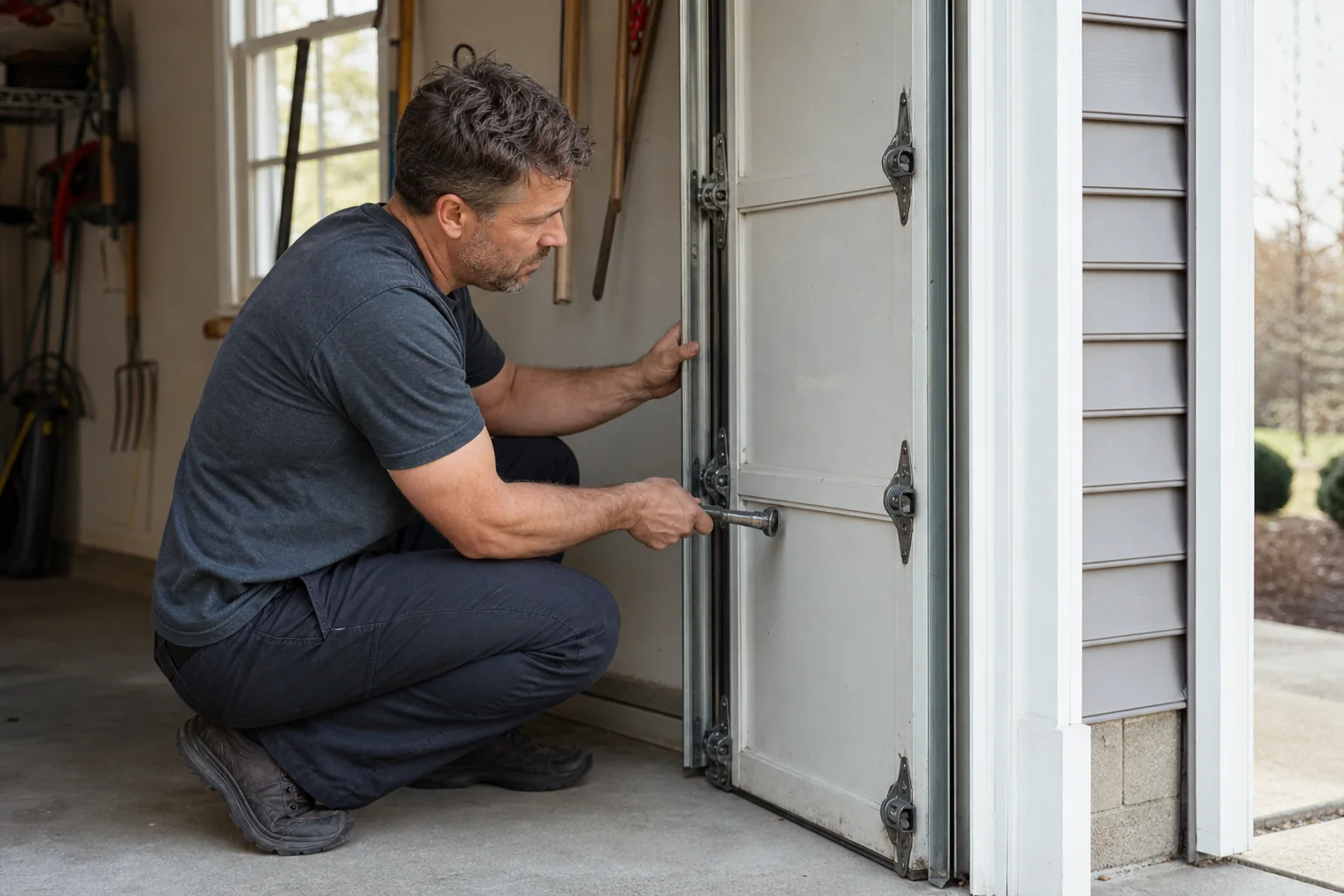
Tracks, rollers, hardware
Grinding in the same spot, a door that shakes the whole wall, a roller creeping out of its track — all cheap to sort now, all expensive once the door comes off.
See what's included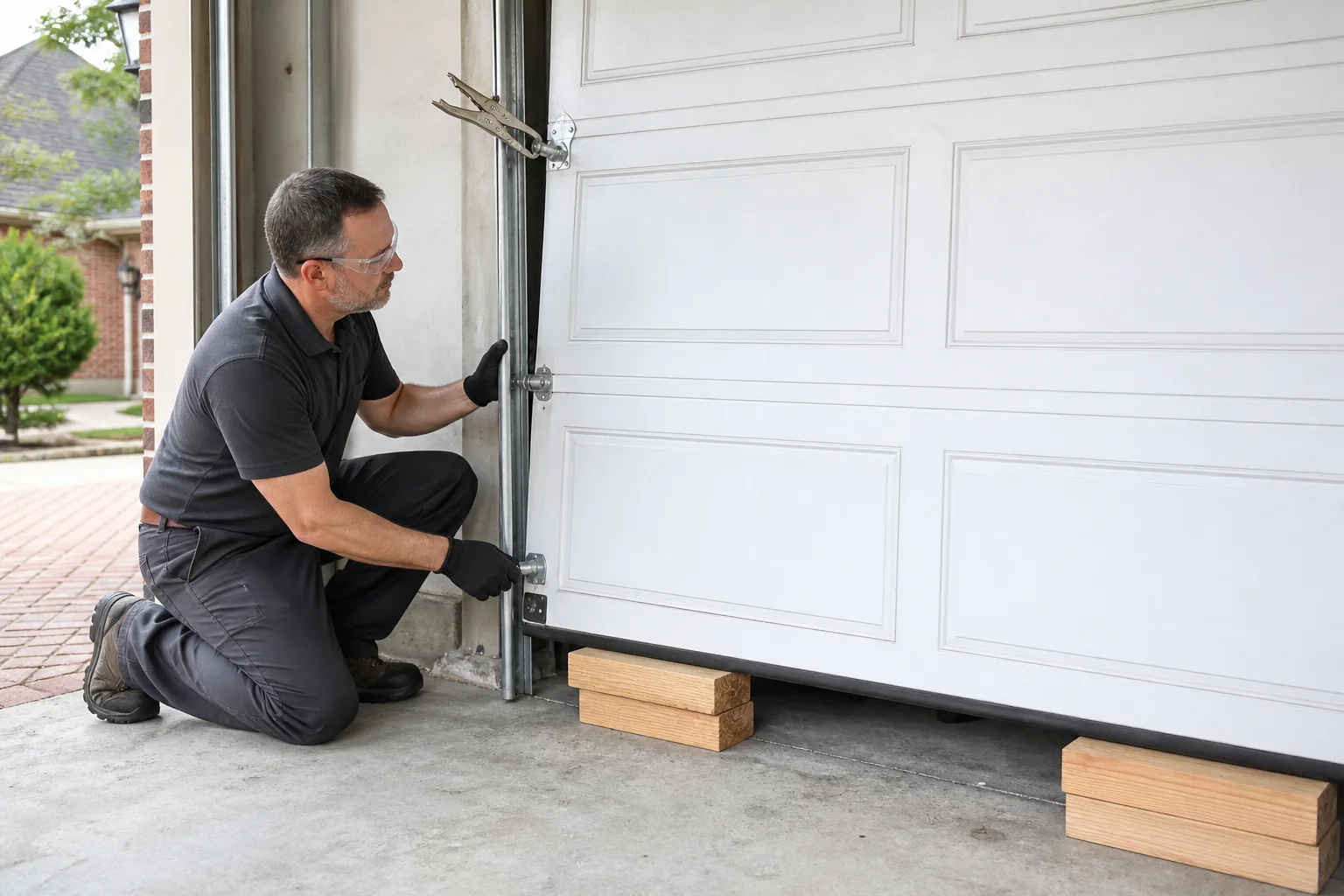
Off-track and stuck
Every extra cycle bends another panel and drags more cable out of line. Leave it where it is, keep the opening clear, and get it stabilized properly.
See what's included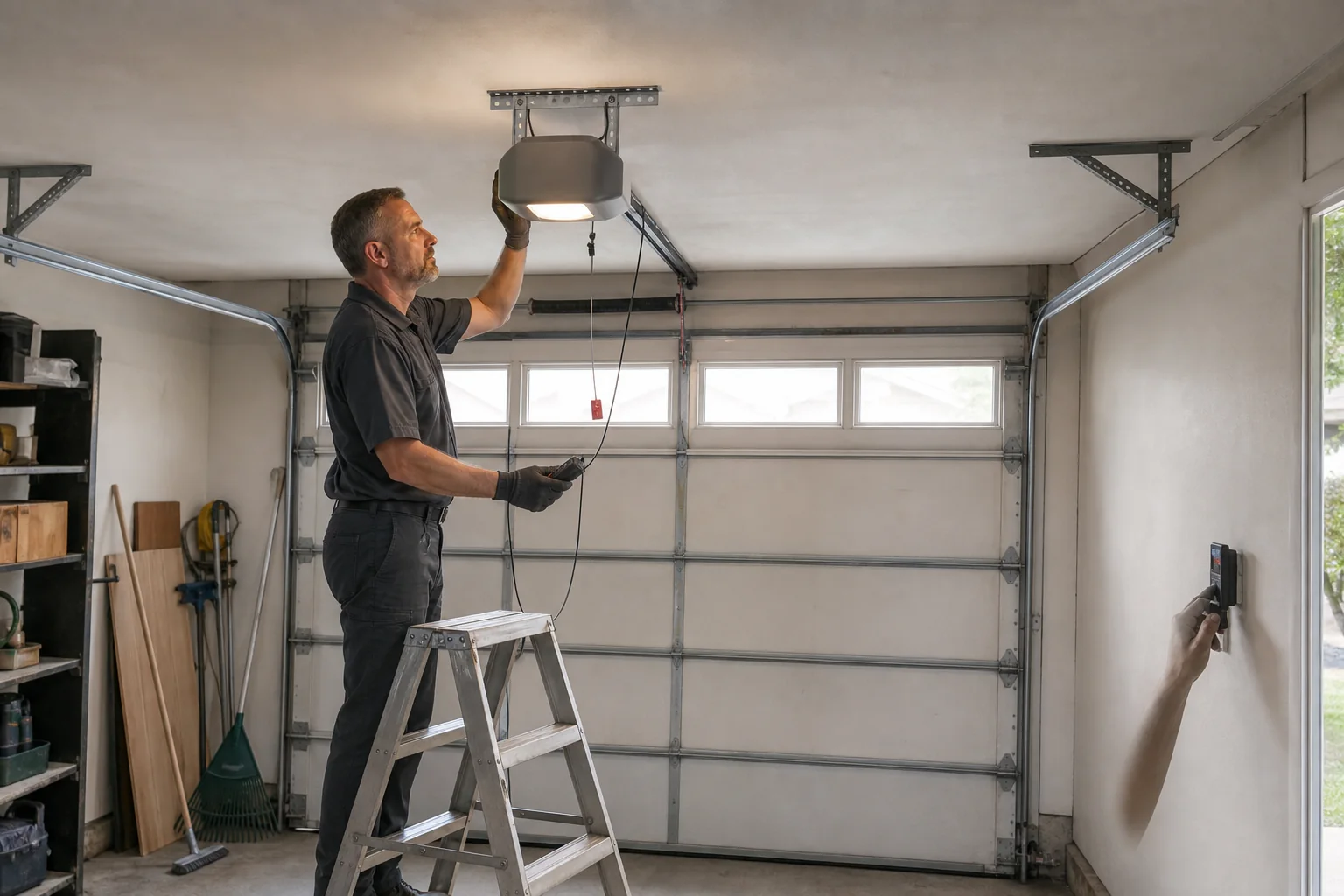
Openers
Motors take the blame for dead springs constantly. Worth knowing which one you've got before you buy an opener you didn't need.
See what's includedChicago guide
Most of the city parks at the back and the way in is the alley. That is fine in June. By February the plows and the neighbors have pushed snow to both sides, the drivable width shrinks to one car, and the apron in front of your door collects a ridge of ice that nothing short of a spade will shift.
None of that changes what is wrong with the door, but it changes the visit. A technician needs somewhere to stand and a clear strip of slab to see how the door sits. Clear the apron if you can, and tell us whether the alley behind you is paved, whether it is blocked, and whether a truck can pull in.
Chicago garages carry more than cars. Roof decks, stair towers, pergolas and solar panels all end up on a structure that started life as a plain frame box, and each changes what a technician can do overhead and how the building takes load.
Ownership is the other question. On the two-flat and coach-house lots through Logan Square and Bridgeport the garage may be shared, or may belong to the building rather than to you, and whoever approves a repair isn’t always the one standing in the alley. Settle that first. And if a bungalow opening in Portage Park, Norwood Park or Beverly has been widened, say so, because a widened opening rarely ends up square.
An attached garage borrows a little warmth from the house. A garage across the yard borrows nothing, so the springs, the rollers and the opener spend January at whatever it is outside. Grease stiffens, the door gets heavier, and a motor that learned this door in summer starts hitting its limit and reversing.
Salt is the other half of it. Brine off the streets drips from the car onto the slab and goes after the bottom brackets and the lower cable ends, which are exactly the parts carrying the door’s weight. Look along the bottom foot for rust before you decide the motor is at fault. The Garfield Ridge blocks see plenty of this.
Nearest cross streets, whether the garage is attached or out on the alley, single or double, and what happened — where the door stopped, the noise it made, and whether a car is stuck inside. You don’t need to name the broken part. That is the technician’s job, and a guess from a description is how people buy openers they didn’t need.
Photos from ground level are useful; don’t climb for them. Send it before 5 p.m. on a weekday and you will hear back from a person the same business day, otherwise the next business morning. A technician confirms the scope and the price before starting.
Most common around Chicago
The door stays open, stops, or will not begin closing.
What to do about itA gap appears in the spring above the door or a loud bang precedes a heavy door.
What to do about itSensor lights blink or the door will not close from a remote.
What to do about itThe opener is silent, hums, or runs without moving the door.
What to do about itThe customer wants scope, parts, labor, fees, and alternatives in writing.
What to do about itChicago questions
Stop using the opener. When ice holds the seal down, the motor keeps pulling and the damage moves up into the gears, the cables or the top section. Break the bond by hand if you can do it safely from a standing position, or wait for a thaw. Then tell us how far it moves now and what noise it makes doing it — that describes the damage better than a guess would.
Start with the slab. Packed snow or an ice ridge under the door will stop it seating and send it straight back up, and a snow shovel leaned against a safety eye will do the same. Clear the bottom track, check both lights near the floor are steady, and tell us whether it reverses at the same height every time.
That is a spring, and it is the repair to leave alone. With the spring gone, the whole weight of the door is sitting on cables and brackets that were never meant to carry it. Leave the door where it is, keep people and pets out of the garage, and don’t try to force it up to get the car out onto the alley.
Depends where the fault is. If the opener is dead and the light does not come on, check the outlet with something else and check the breaker in the house, because many older garages run off a single circuit from the building. A technician will sort the door and the opener, but a genuine wiring fault out to the structure is an electrician’s job. Tell us what the outlet does and we will point you the right way.
That is a question for the city rather than for us, and the answer can differ for a door swap against structural work on the garage itself. Ask before you commit, and ask the technician to put in writing what they are doing and what they are not. Do not take a verbal assurance about permits from anyone.
Yes. The technician looks at the door, explains what failed, and gives you the scope and the price before any work happens. You can say no. Using this site costs nothing and no payment is taken through it.
Chicago, IL
Block, alley access, and what the door did on that last press. Scope and price are agreed with you before anyone starts.