

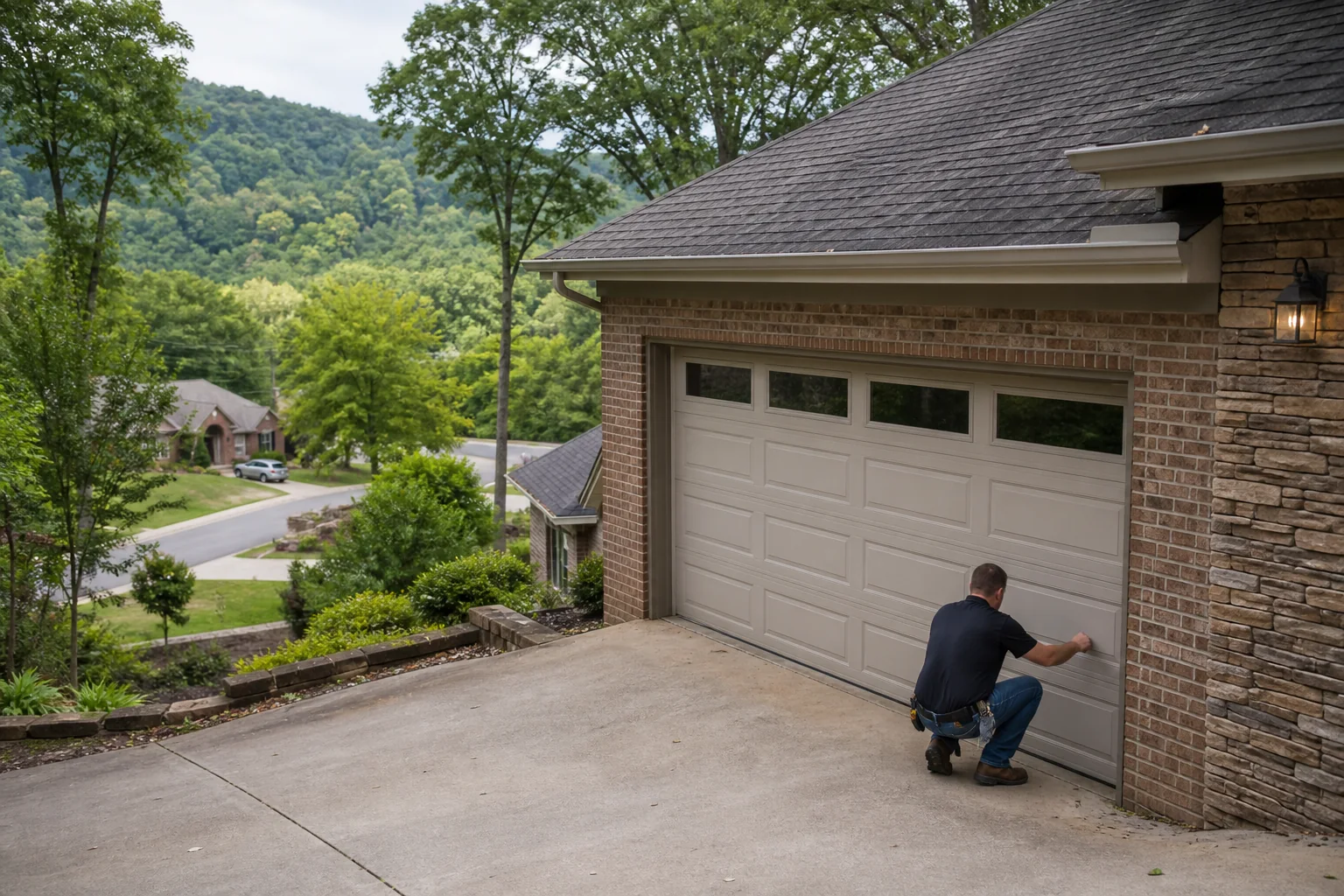
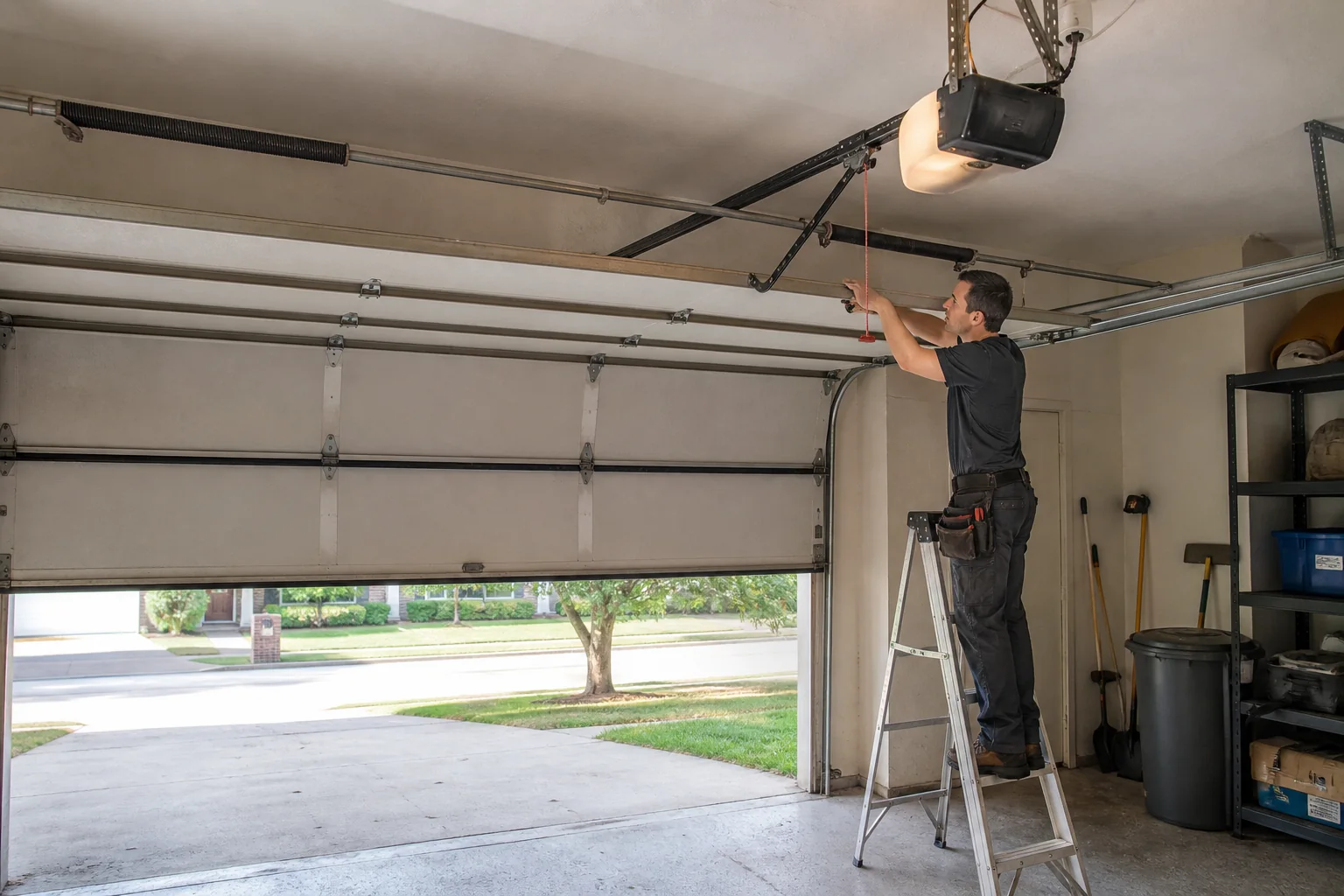
General repair
Garage Door Repair
Tell us what the door is doing and we'll get it in front of someone who can fix it — with the price agreed before the work starts.
See what's includedGarage door repair · Chattanooga, TN
Damp hardware, hard storms and driveways that climb. Tell us what your Chattanooga door is doing and see the price first.
St. Elmo, North Shore, Highland Park, and the streets either side of them.
Springs, cables, openers, sensors, tracks, panels, seals, and full replacements.
You hear what failed and what it costs first. Saying no at that point costs you nothing.
Ask before 5 p.m. on a weekday and you hear back that business day.
Why us for this door
There's no real dry season here, so bearings, roller stems and cable ends never get a chance to dry out. Wear that would take fifteen years somewhere drier arrives in eight, and it arrives quietly: a little more noise each month until something seizes.
Spring storms with real wind behind them then find whatever is already loose. Say what the door sounds like, when it started, and how the lot sits, since ridge and hollow approaches are awkward. Cost agreed with you before any work.
Get my door fixedWhere we work
St. Elmo and Highland Park sit tight in the valley; Hixson and East Brainerd climb. Say which, and how the approach runs.
Plenty of the work we take isn't in Chattanooga proper. These are the towns around it and what tends to be different about a door there.
Don't see your street or your town? These are the places where the housing changes enough to change the job — not the edge of where we go, and not a promise about your exact address either. We take work across Chattanooga and the wider Tennessee area, and the address you send is what actually gets checked.Check my address
Repairs in Chattanooga
General repair
Tell us what the door is doing and we'll get it in front of someone who can fix it — with the price agreed before the work starts.
See what's included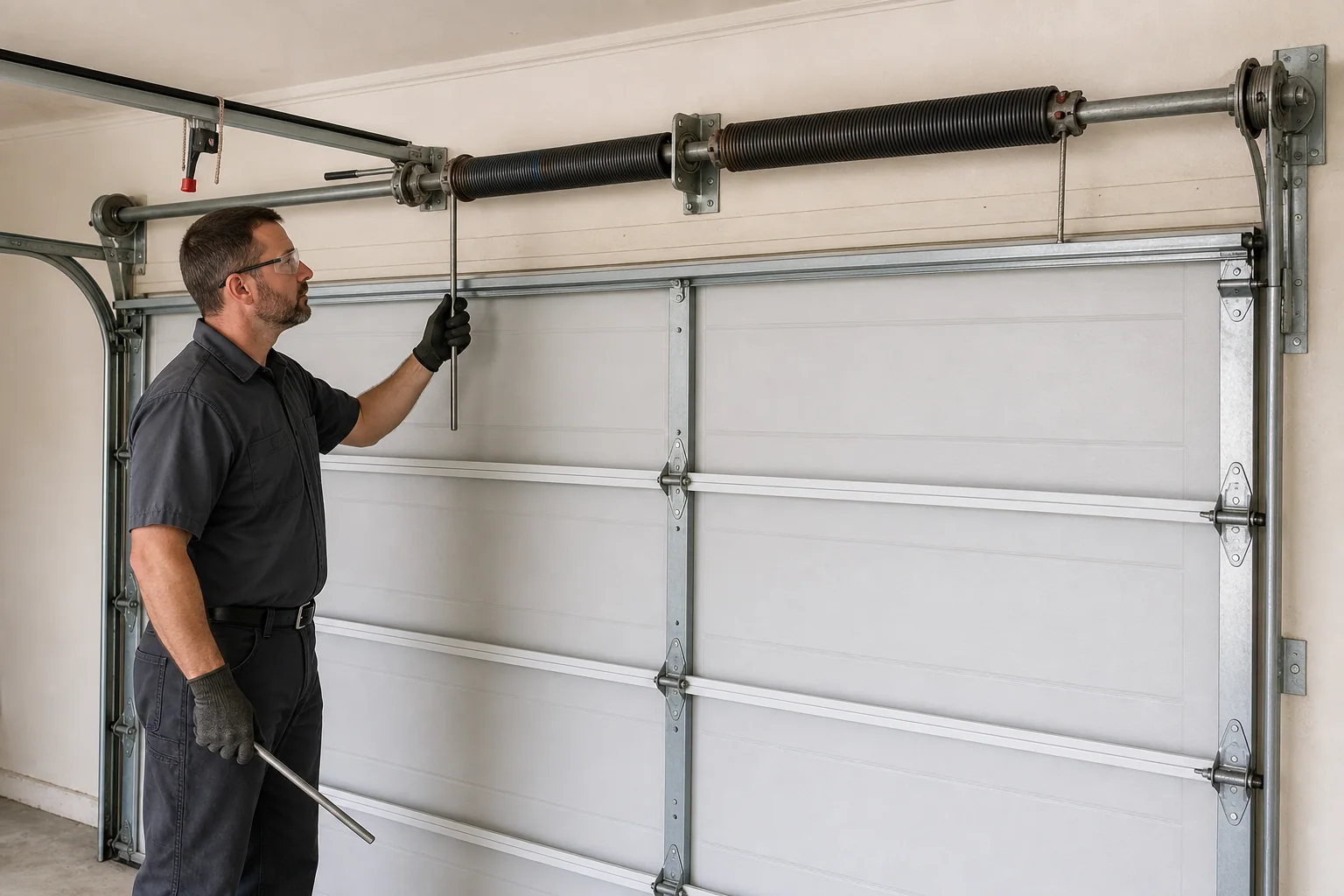
Springs and balance
If your door suddenly weighs a couple hundred pounds, a spring has almost certainly let go. Leave it down, keep everyone clear, and let someone with the right winding bars deal with it.
See what's included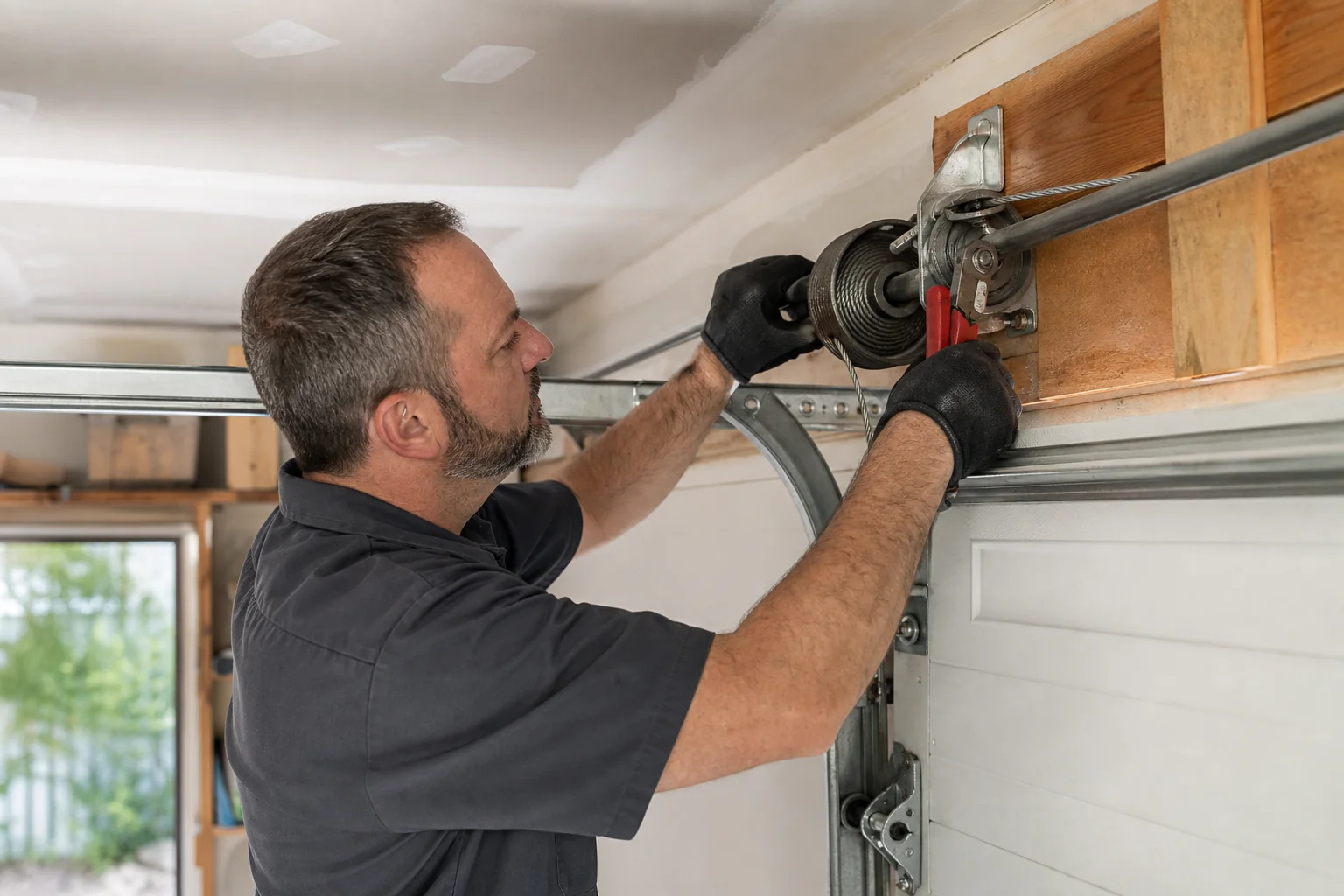
Cables and drums
One corner sitting lower, or a cable hanging off its drum, means the lift system is out of balance. It wants looking at before the next cycle, not after.
See what's included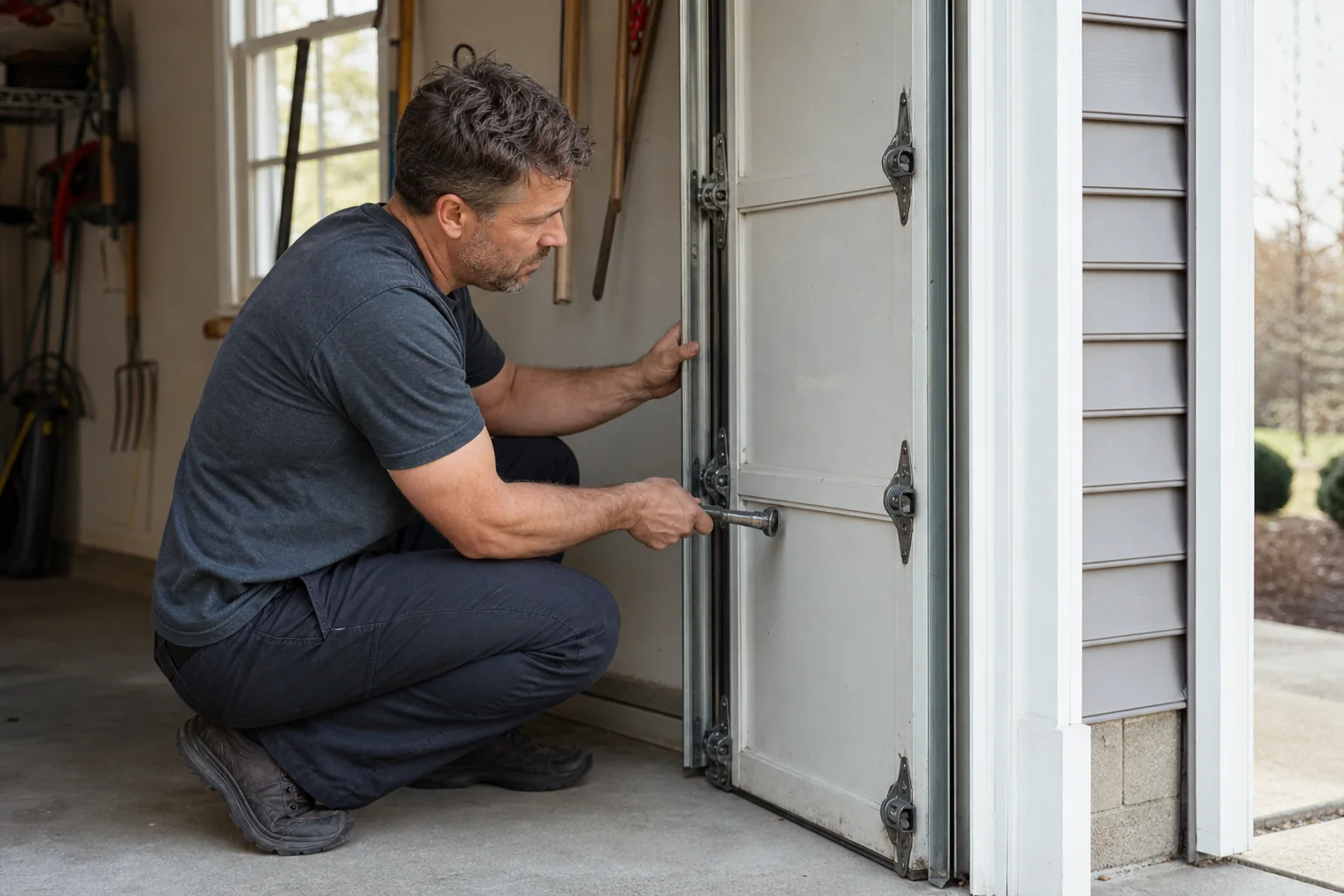
Tracks, rollers, hardware
Grinding in the same spot, a door that shakes the whole wall, a roller creeping out of its track — all cheap to sort now, all expensive once the door comes off.
See what's included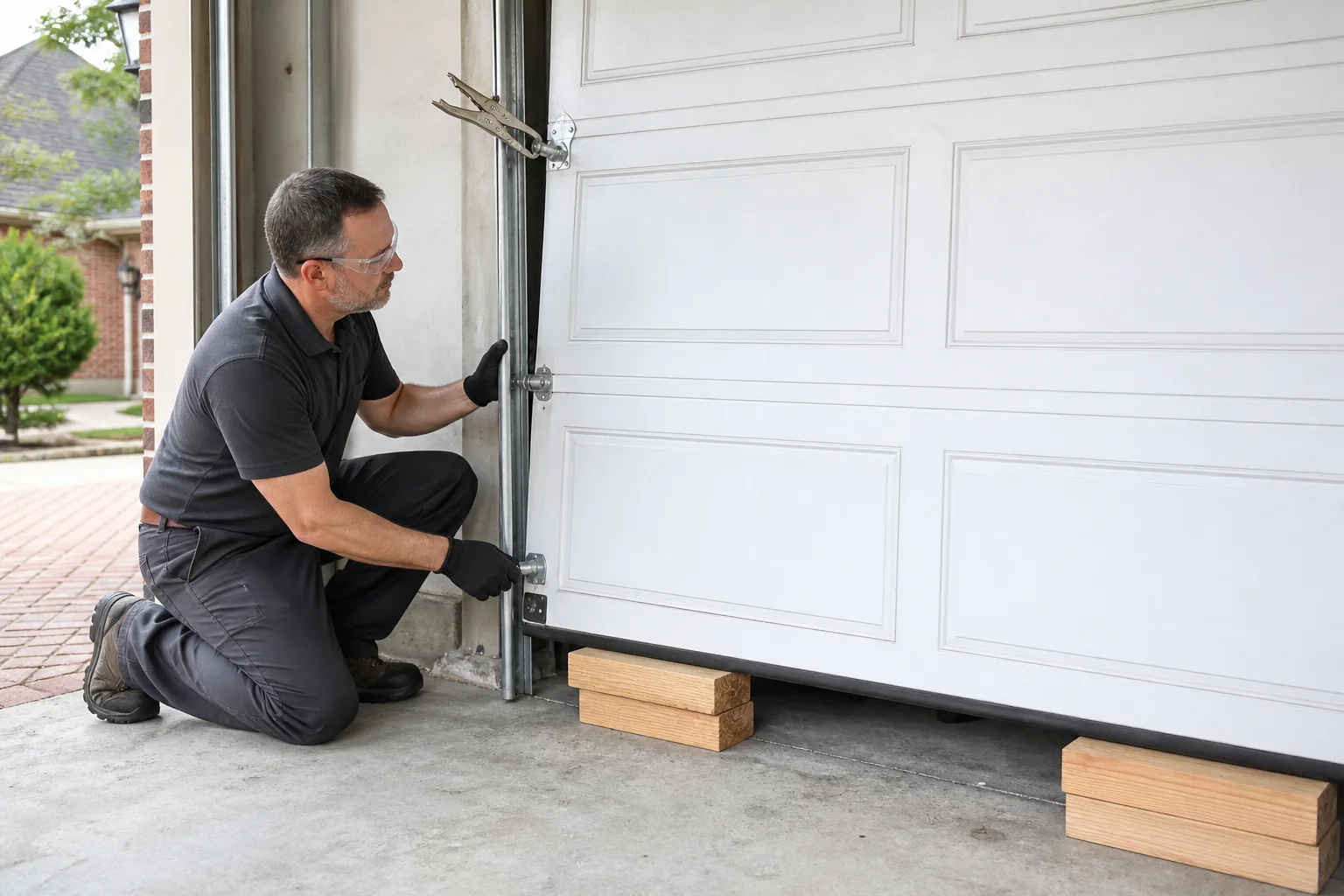
Off-track and stuck
Every extra cycle bends another panel and drags more cable out of line. Leave it where it is, keep the opening clear, and get it stabilized properly.
See what's included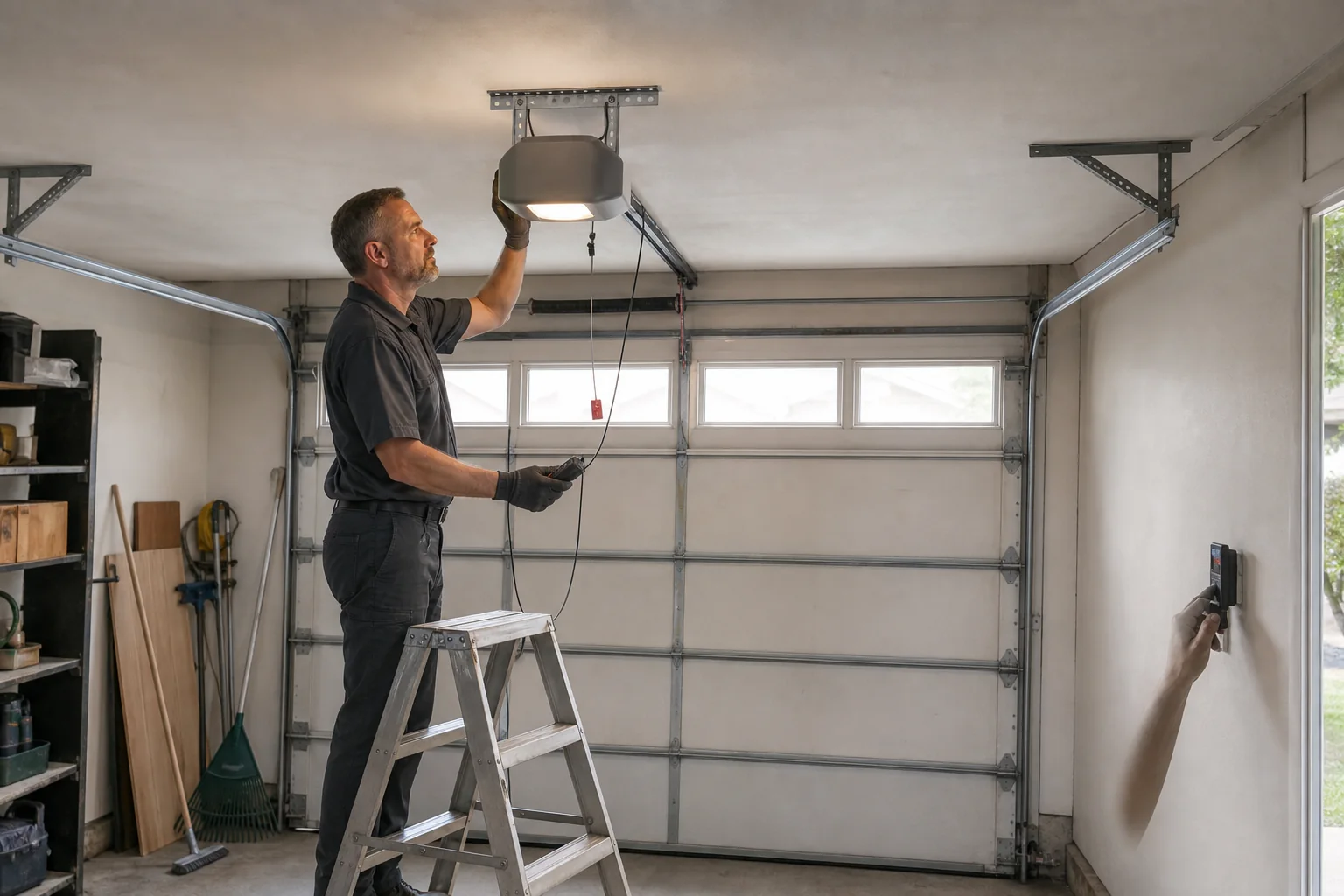
Openers
Motors take the blame for dead springs constantly. Worth knowing which one you've got before you buy an opener you didn't need.
See what's includedChattanooga guide
An unconditioned garage in this valley spends much of the year sitting at or near the dew point. Moisture settles on the tracks, on the roller stems and along the torsion shaft, and the hardware rusts slowly in place rather than all at once. What you get is a door that gets steadily louder and stiffer while nothing looks obviously broken.
Older detached garages take this hardest, and Highland Park and St. Elmo have plenty of them, small rear buildings shut up most of the week with no air moving through. If your door has developed a scraping or squealing noise over a season or two, it’s the hardware asking for attention before something seizes for good.
Storms coming up the valley hit the front of a house side-on, and the garage door is the biggest unbraced surface on it. East Brainerd and Hixson are full of wide double doors on newer builds, and width is exactly what makes a door vulnerable, because the longer the panel the more it flexes before anything stops it.
After a rough night, run the door once and watch it. A door that now hesitates at the same point, sits low on one side, or bangs where it used to run smoothly has moved in its tracks. Tell us when it started and which way the door faces, and don’t force it if it’s catching.
Chattanooga is built around ridges and the lots show it. Through St. Elmo the ground rises toward Lookout Mountain, so houses sit above or below the street and the garage is often a separate structure reached by a drive that is both steep and narrow. North Shore has the same problem for a different reason: long thin lots with one narrow drive running back past the house.
Older Brainerd streets are the easy case, level and wide, which is why it helps to say which situation you’re in. It won’t change what is wrong with the door, but it changes access, working room and time on site, and you should see that reflected in the number you are given rather than hear about it on the day.
Cross streets, attached or detached, single or double, and what the door actually did: where it stopped, what noise it made, and whether a vehicle is shut in behind it. If the drive is steep or narrow, tell us that as well.
Leave the diagnosis to the technician, because guessing from symptoms is how people end up replacing an opener that was fine. A photo from ground level helps and a ladder isn’t worth the risk. Send it before 5 p.m. on a weekday and a person responds the same business day, and the technician confirms scope and price before starting.
Most common around Chattanooga
The door stays open, stops, or will not begin closing.
What to do about itA gap appears in the spring above the door or a loud bang precedes a heavy door.
What to do about itSensor lights blink or the door will not close from a remote.
What to do about itThe opener is silent, hums, or runs without moving the door.
What to do about itThe customer wants scope, parts, labor, fees, and alternatives in writing.
What to do about itChattanooga questions
A shudder and stop usually means something is binding rather than broken outright. In a damp garage a rusted roller or a hinge that has stiffened will do it, and so will a track that has been knocked out of line. Don’t keep running it, because forcing a bound door bends sections. Tell us where along the travel it happens and whether it has been getting worse.
The beam only has to be interrupted slightly. Look for a spider web across a lens, a bracket that has been nudged, or damp on the inside of the sensor housing, all of which are common in an unheated garage here. Wipe both lenses dry and check they still line up. Tell us what the two lights are doing and don’t tape or bypass them.
Possibly. A door that comes down under its own weight can bend the bottom section, pull cables off the drums, and knock the tracks out of true, so the spring is not always the only thing to replace. Leave the door shut, keep the opener switched off, and don’t try to raise it. Tell us whether anything was under the door when it fell.
A fault that follows the clock is almost always sunlight hitting the receiving eye at a low angle, or temperature change moving a loose bracket. Stand in the garage at the hour it fails and watch which light drops out. That single detail saves a lot of time. Tell us what you see, and leave both sensors connected in the meantime.
Check the breaker and the outlet first, then look for a GFCI in the garage that tripped during the outage. If the opener has power and does nothing, a surge may have taken out the logic board, which is a common casualty around here. Tell us whether the unit shows any light at all and whether the wall button responds.
Yes. The technician inspects the door, explains what failed, and confirms the scope and the price with you before anything is touched. If they find more once they are into it, they should come back to you rather than carry on. No payment is taken through this site and asking costs nothing.
Chattanooga, TN
The noise, when it started, and how a truck reaches you. The scope and the price are agreed with you before work.