

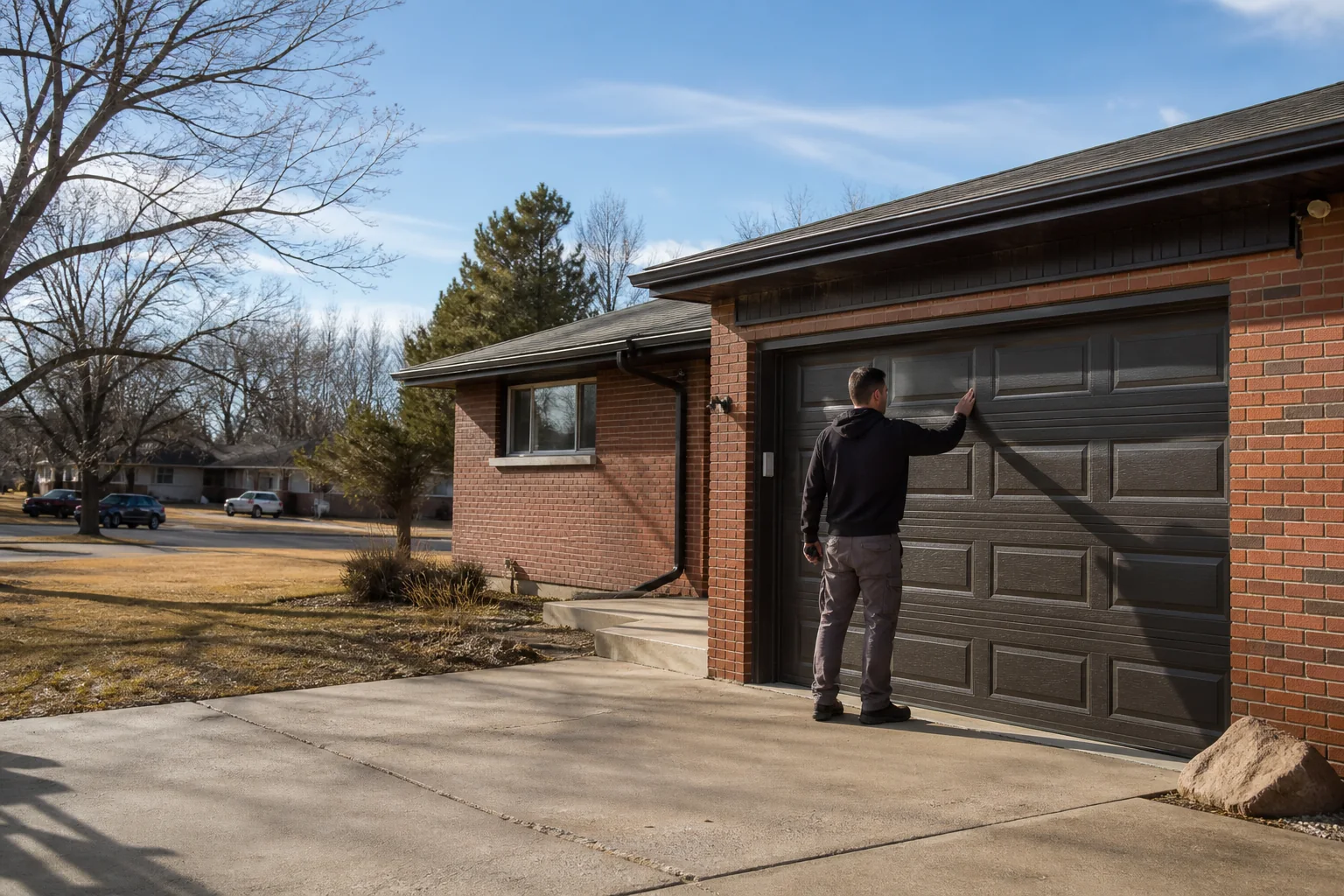
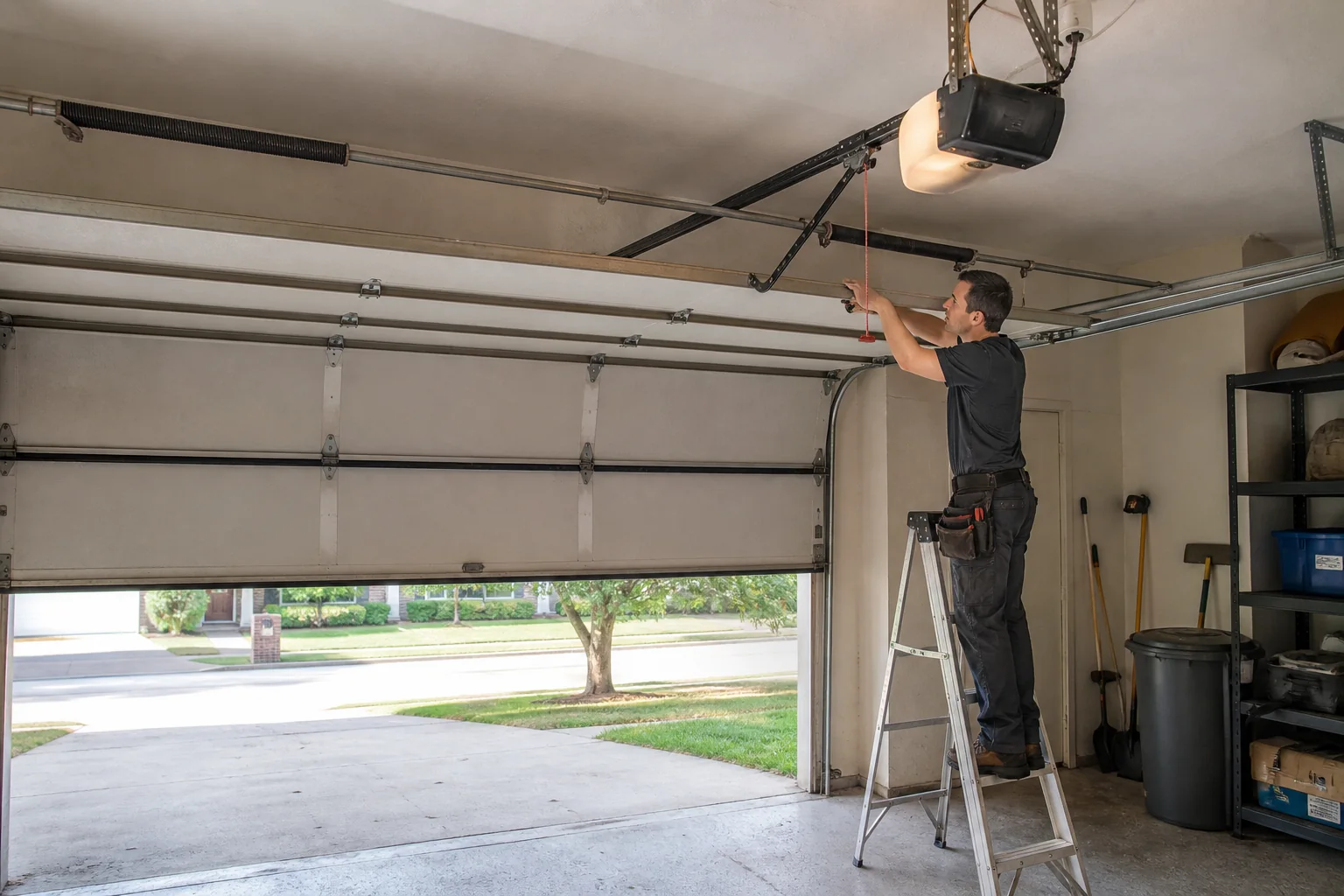
General repair
Garage Door Repair
Tell us what the door is doing and we'll get it in front of someone who can fix it — with the price agreed before the work starts.
See what's includedGarage door repair · Denver, CO
Frozen to the slab, or dented by hail. Tell us what your Denver door is doing and see what failed and what it costs before any work starts.
Park Hill, Washington Park, Berkeley, and the streets either side of them.
Springs, cables, openers, sensors, tracks, panels, seals, and full replacements.
You hear what failed and what it costs first. Saying no at that point costs you nothing.
Ask before 5 p.m. on a weekday and you hear back that business day.
Why us for this door
The first is a bottom seal iced to the slab, where the opener has no idea the door is stuck and keeps pulling until a gear or a cable gives. The second is Front Range hail, which gets checked against roofs and cars while the largest unprotected panel on the house goes unlooked at until it starts binding in the tracks.
Both are recognizable from a description, which means you don't have to guess and you don't have to be talked into a new opener to find out. Say what happened and roughly where you are, Park Hill or Green Valley Ranch. The cause and the cost come back to you before the work.
Get my door fixedWhere we work
Park Hill, Washington Park and Berkeley are full of alley-access garages. Central Park and Green Valley Ranch aren't. Say which yours is.
Plenty of the work we take isn't in Denver proper. These are the towns around it and what tends to be different about a door there.
Don't see your street or your town? These are the places where the housing changes enough to change the job — not the edge of where we go, and not a promise about your exact address either. We take work across Denver and the wider Colorado area, and the address you send is what actually gets checked.Check my address
Repairs in Denver
General repair
Tell us what the door is doing and we'll get it in front of someone who can fix it — with the price agreed before the work starts.
See what's included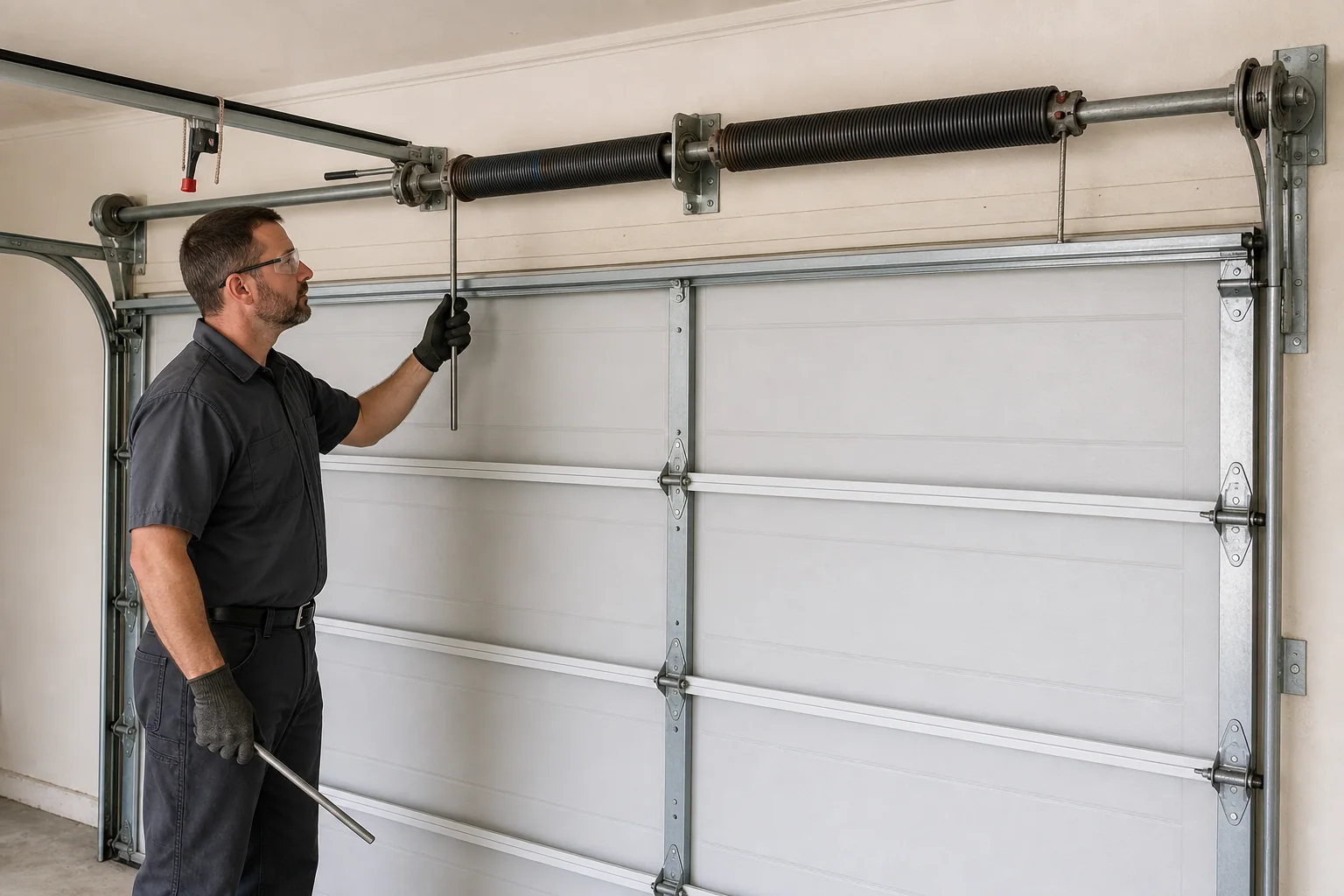
Springs and balance
If your door suddenly weighs a couple hundred pounds, a spring has almost certainly let go. Leave it down, keep everyone clear, and let someone with the right winding bars deal with it.
See what's included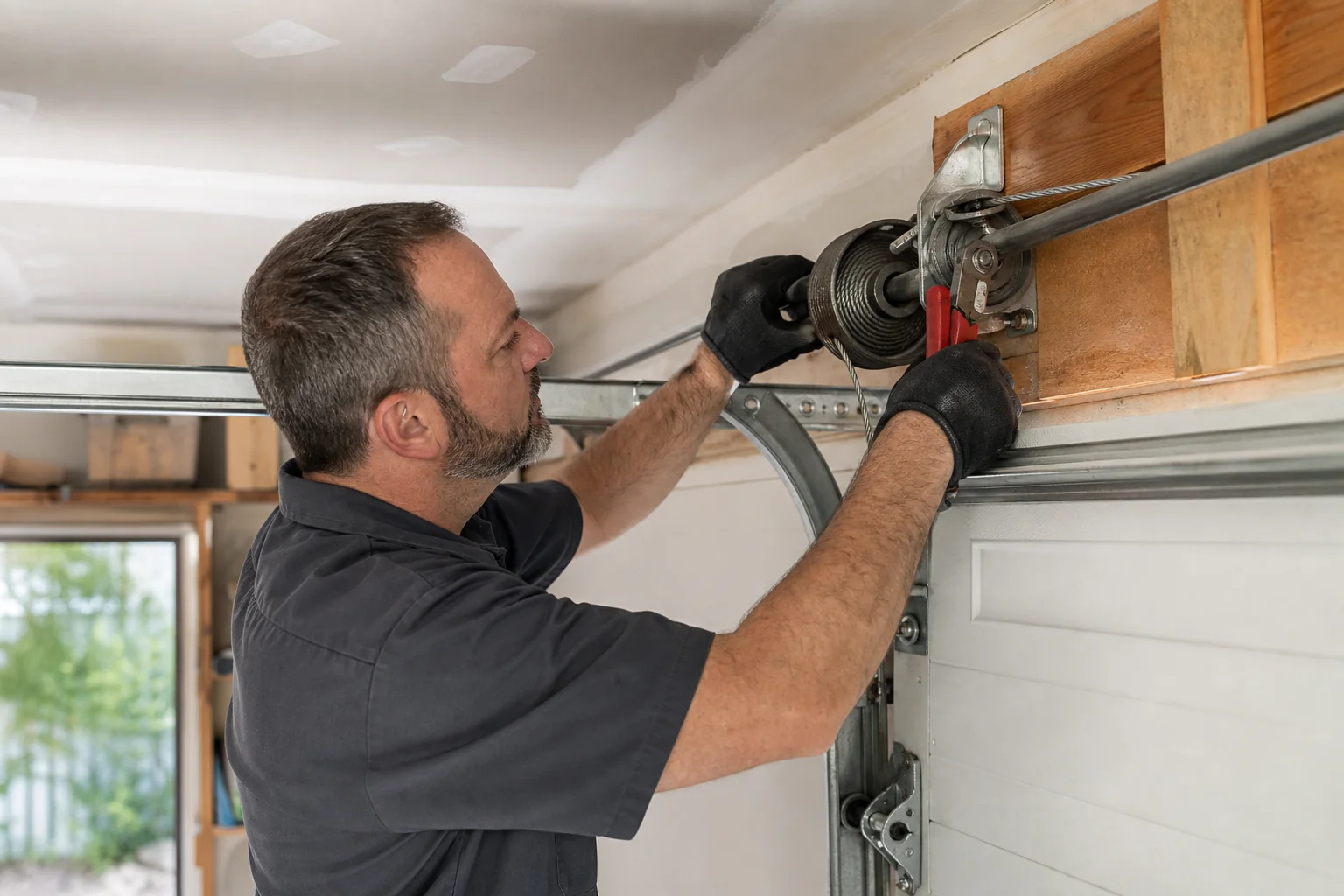
Cables and drums
One corner sitting lower, or a cable hanging off its drum, means the lift system is out of balance. It wants looking at before the next cycle, not after.
See what's included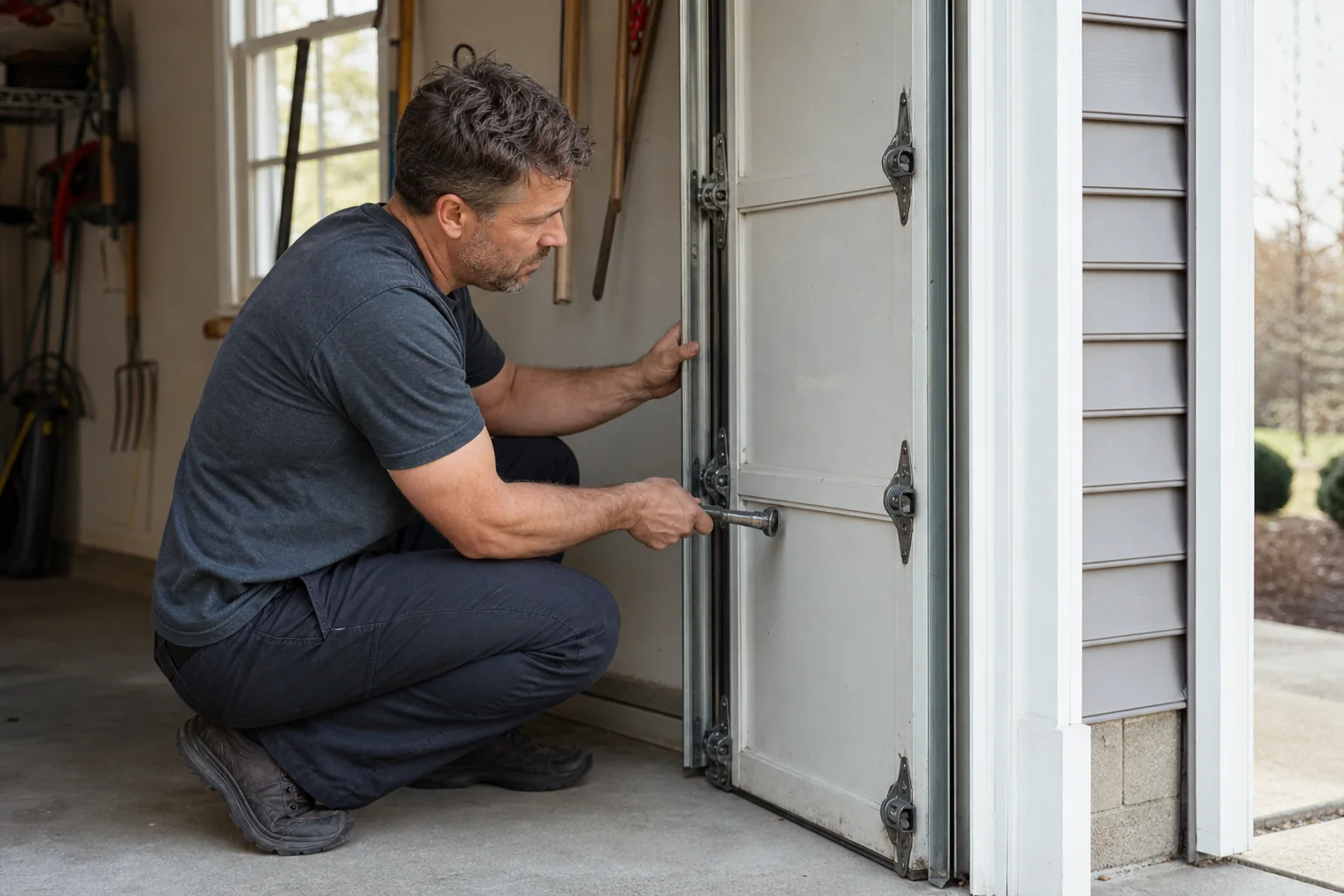
Tracks, rollers, hardware
Grinding in the same spot, a door that shakes the whole wall, a roller creeping out of its track — all cheap to sort now, all expensive once the door comes off.
See what's included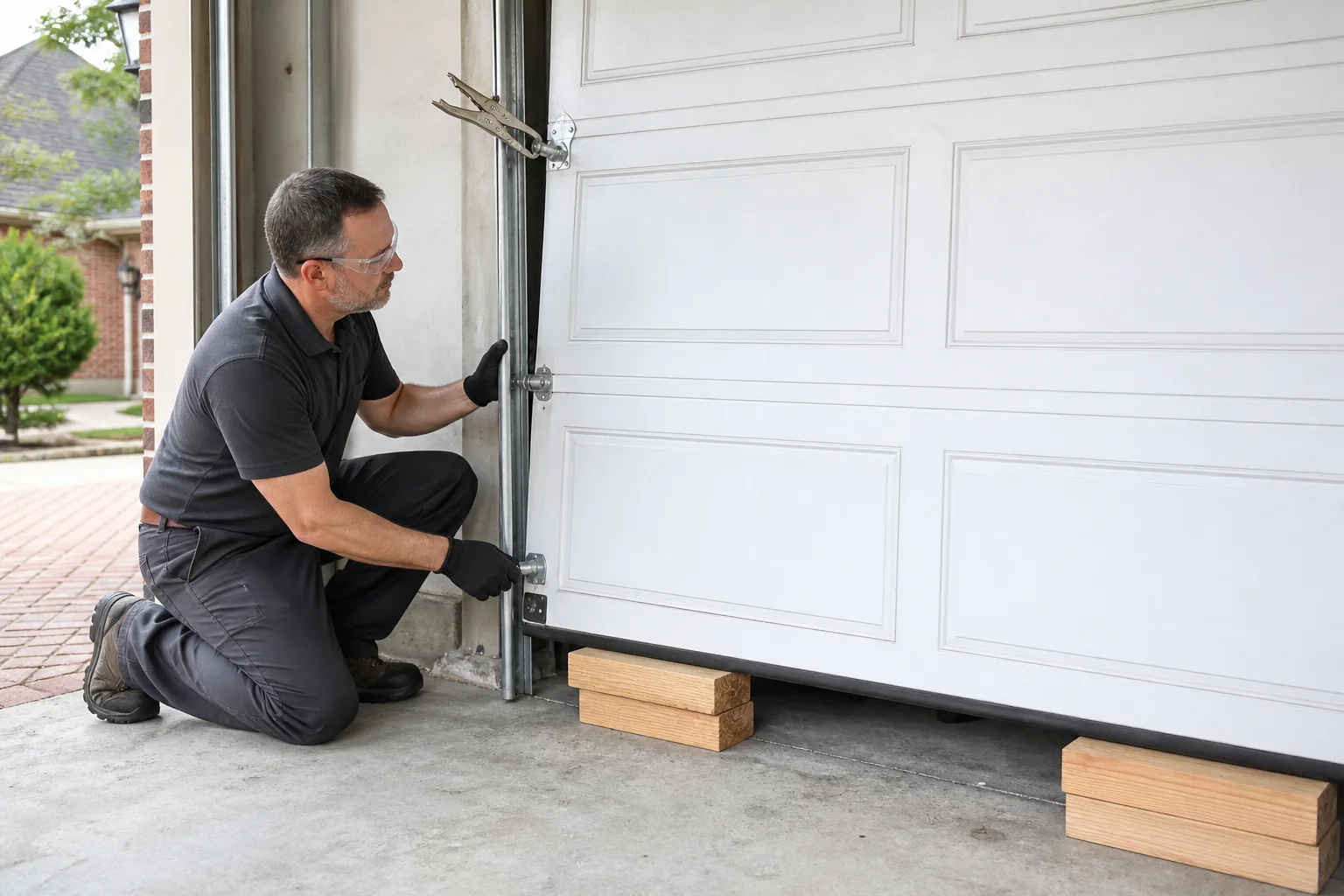
Off-track and stuck
Every extra cycle bends another panel and drags more cable out of line. Leave it where it is, keep the opening clear, and get it stabilized properly.
See what's included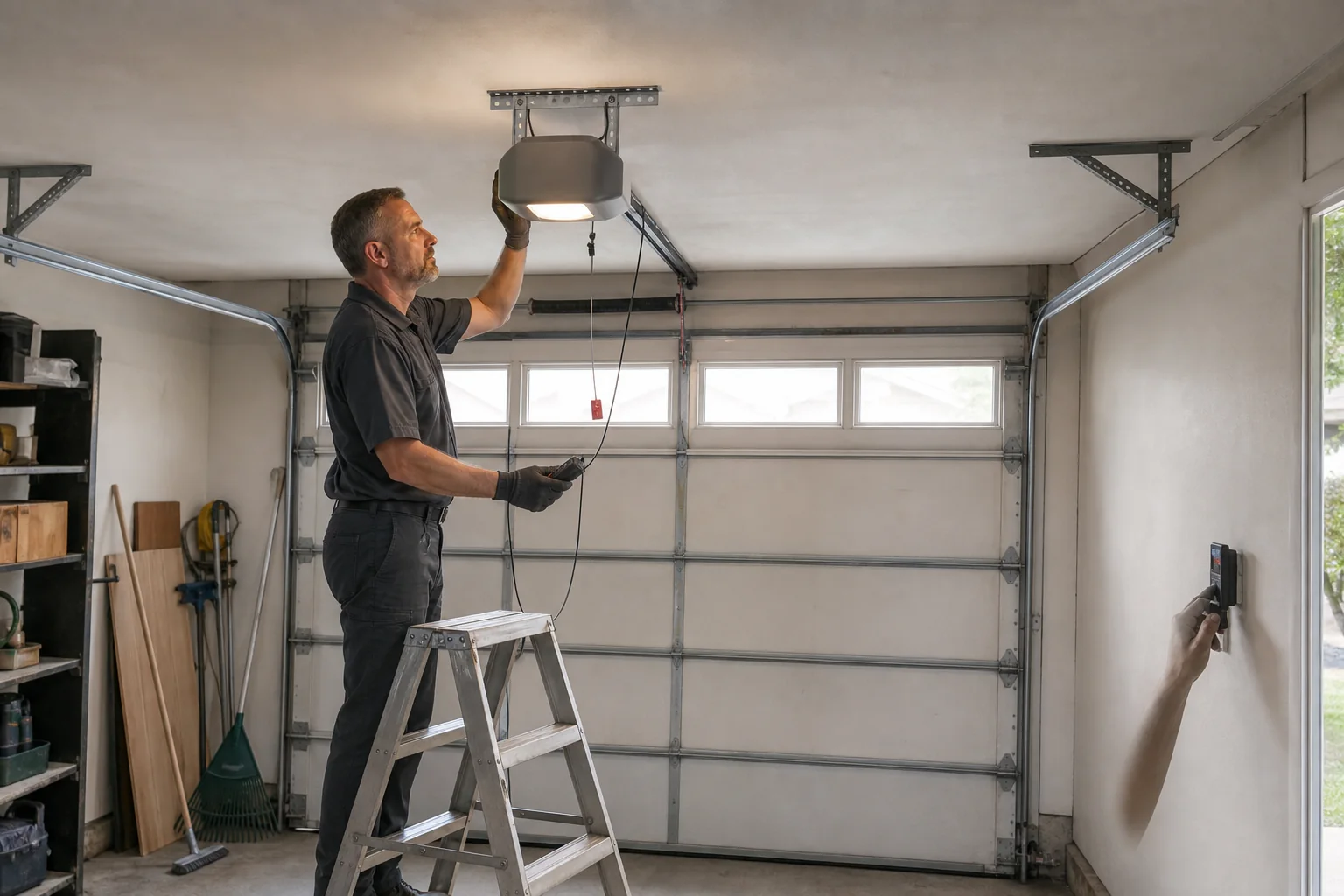
Openers
Motors take the blame for dead springs constantly. Worth knowing which one you've got before you buy an opener you didn't need.
See what's includedDenver guide
A lot of Denver's older housing puts the garage at the back. Park Hill and Washington Park are full of brick bungalows, Denver Squares and low brick ranches with a detached garage opening straight onto the alley, and Berkeley has the same arrangement behind a good number of its lots.
That matters before anyone quotes you. Alleys here get narrow, they collect parked cars and bins, and a van often can't get within throwing distance of the door. It doesn't change what's wrong, but it does change how long the job takes, and we'd rather that was in the number you're given than discovered on the day. Say whether we're coming off the alley or the driveway.
This is the commonest way a working Denver door gets broken in winter. Snow melts against the bottom rubber during the day, refreezes overnight, and by morning the seal is stuck fast to the slab. You press the button, and because the opener has no idea the door is frozen down it keeps pulling until something lets go — a stripped gear, a cable off its drum, or a top section pulled out of shape.
If the door groans and doesn't move on a cold morning, stop there. Let the sun get at the slab, or free the seal by hand if you can reach it safely without putting yourself under the door. Then tell us how cold it was and what the opener did, because a door that was fine yesterday afternoon is a very different job from one that's been struggling for weeks.
Front Range hail gets checked against roofs and cars, and the garage door quietly gets skipped — a shame, because it's usually the largest unprotected panel on the front of the house. The wide double doors on newer builds in Central Park and Green Valley Ranch catch it worst, and a west-facing door catches the wind behind it too.
A dent that only marks the skin is cosmetic and you can leave it. A dent that creases a section can bow it just enough to bind in the tracks, and you'll hear that long before you'd spot it. Wind does something similar by racking the door in its opening. Tell us which way yours faces and when the storm came through.
Give us the cross streets, whether it's a single or a double, whether we're coming in off the alley or the driveway, and what the door actually did — where it stopped, what you heard, and whether a car is shut in behind it. You don't need to work out which part failed. That's the technician's job, and guessing from a description is how people buy openers they didn't need.
Photos help if you can take them from where you're standing. Don't go up a ladder for us. Send it before 5 p.m. on a weekday and a person gets back to you the same business day, then a technician confirms what it'll take and what it costs before any work starts.
Most common around Denver
The door stays open, stops, or will not begin closing.
What to do about itA gap appears in the spring above the door or a loud bang precedes a heavy door.
What to do about itSensor lights blink or the door will not close from a remote.
What to do about itThe opener is silent, hums, or runs without moving the door.
What to do about itThe customer wants scope, parts, labor, fees, and alternatives in writing.
What to do about itDenver questions
Stop pressing the button. On a cold morning the bottom rubber can freeze to the concrete, and the opener will happily keep pulling against it until something gives — usually a gear, a cable, or the top section. Let the slab warm up, or break the seal by hand if you can do it safely from a standing position, and tell us what happened on that first press.
Sometimes, and sometimes not. A dent that only marks the skin is cosmetic. A dent that creases a section can bow it enough to change how the door tracks, and you'll usually hear that before you see it. Tell us which way the door faces and roughly when the storm hit, and send a photo from a few steps back so the whole section is in frame.
That's a broken spring, and it's the one repair to leave alone. The door's whole weight is now hanging on parts that weren't built to carry it. Leave it where it is, keep cars and people out from under it, and don't touch the springs, cables, or the brackets at the bottom corners.
That's the safety sensors telling you something, and the door is doing exactly what it should. Usually it's a bumped bracket, a lens with dust on it, or low winter sun hitting the eye at the wrong angle. Have a look at the two little lights near the floor and tell us whether they're steady, blinking, or dark. Never tape over or bypass them.
Yes. The technician looks at the door, explains what failed, and puts the scope and the price in front of you before they pick up a tool. You can say no. We don't take payment through this site and there's no charge for asking.
A technician. We're not sending our own crew, because we don't have one — what we do is make sure your problem reaches someone who covers your address and handles that kind of repair, with the scope agreed up front.
Denver, CO
The symptom, the cross streets, and whether we're coming off the alley. That's enough to price it properly before anyone starts.