

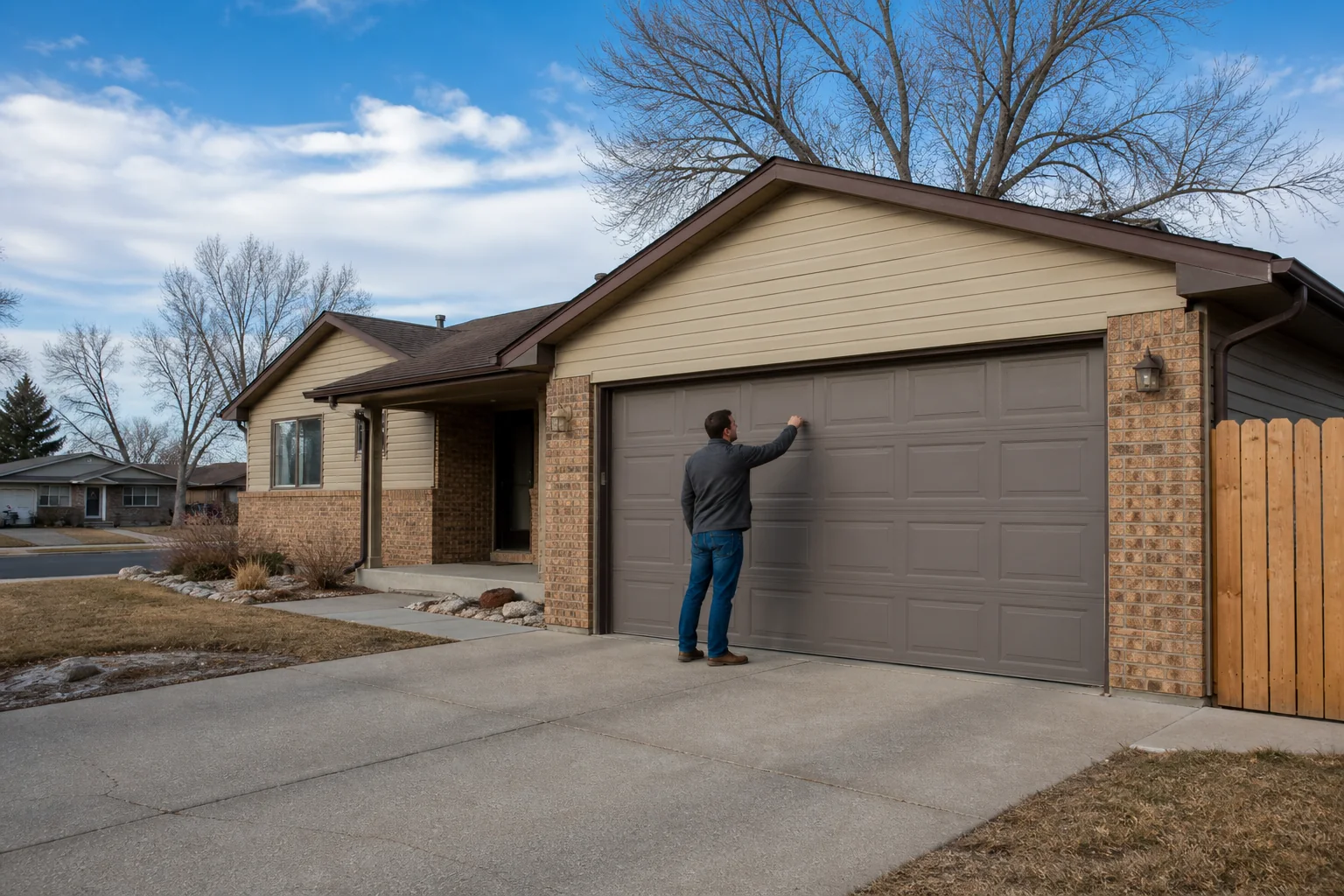
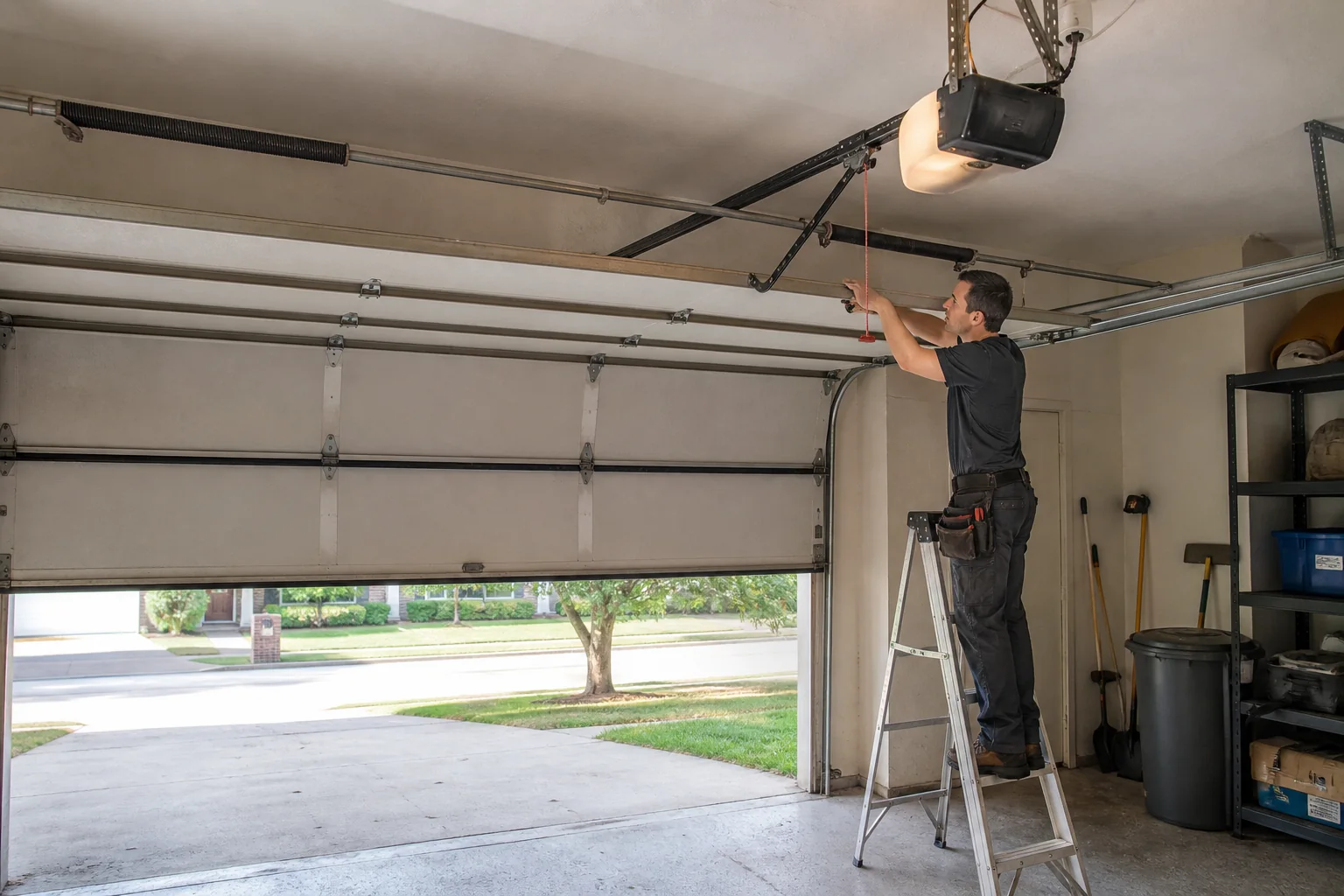
General repair
Garage Door Repair
Tell us what the door is doing and we'll get it in front of someone who can fix it — with the price agreed before the work starts.
See what's includedGarage door repair · Billings, MT
Cold hardware, an unheated garage, and a door that used to be fine. Say what yours is doing and see the fault and the price first.
Billings Heights, West End, South Side, and the streets either side of them.
Springs, cables, openers, sensors, tracks, panels, seals, and full replacements.
You hear what failed and what it costs first. Saying no at that point costs you nothing.
Ask before 5 p.m. on a weekday and you hear back that business day.
Why us for this door
The thaw-refreeze cycle here is harder on a door than steady cold. Meltwater runs under the bottom seal in the afternoon and locks it to the slab by morning, so the door is stuck on exactly the days people assume the weather has broken. Then the opener pulls against it and something in the drive gives.
Winter road sand comes home on the tires and grinds into the bottom track on top of that. Say where the garage sits and how cold it gets in there. What has failed and what it costs is agreed with you before work.
Get my door fixedWhere we work
Billings Heights and Rehberg Ranch sit open to the wind; Downtown Billings and the South Side are sheltered. Say which is yours.
Plenty of the work we take isn't in Billings proper. These are the towns around it and what tends to be different about a door there.
Don't see your street or your town? These are the places where the housing changes enough to change the job — not the edge of where we go, and not a promise about your exact address either. We take work across Billings and the wider Montana area, and the address you send is what actually gets checked.Check my address
Repairs in Billings
General repair
Tell us what the door is doing and we'll get it in front of someone who can fix it — with the price agreed before the work starts.
See what's included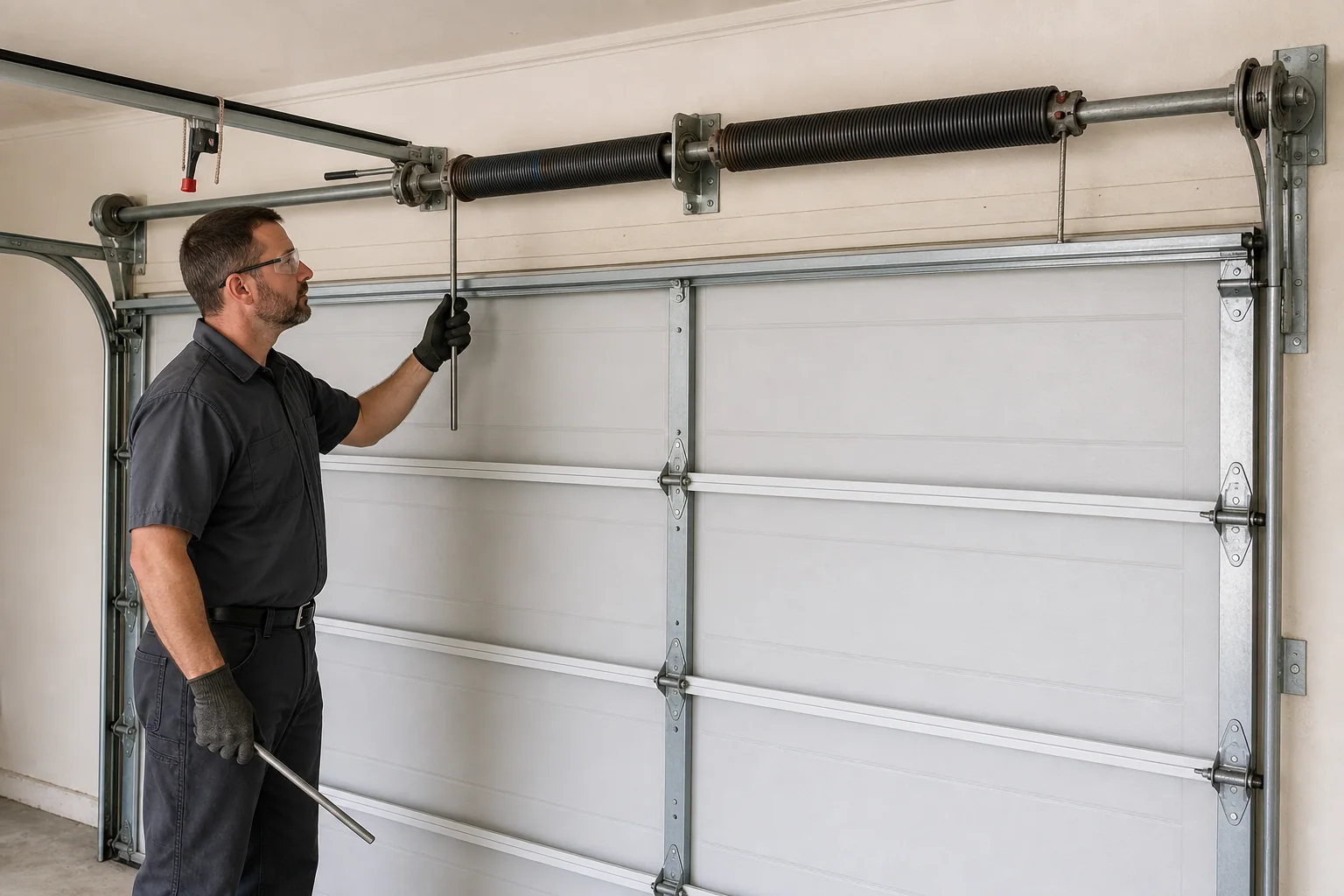
Springs and balance
If your door suddenly weighs a couple hundred pounds, a spring has almost certainly let go. Leave it down, keep everyone clear, and let someone with the right winding bars deal with it.
See what's included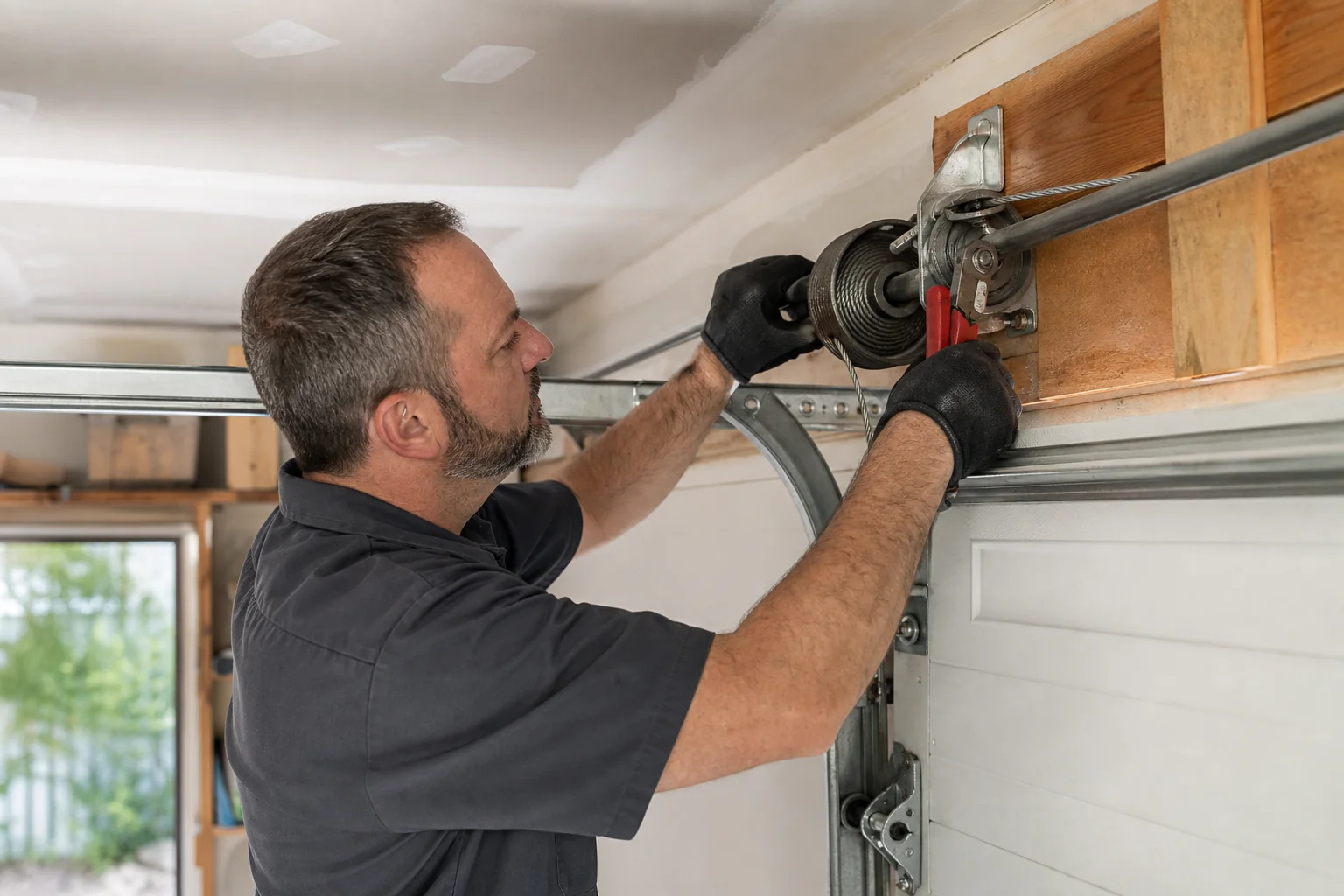
Cables and drums
One corner sitting lower, or a cable hanging off its drum, means the lift system is out of balance. It wants looking at before the next cycle, not after.
See what's included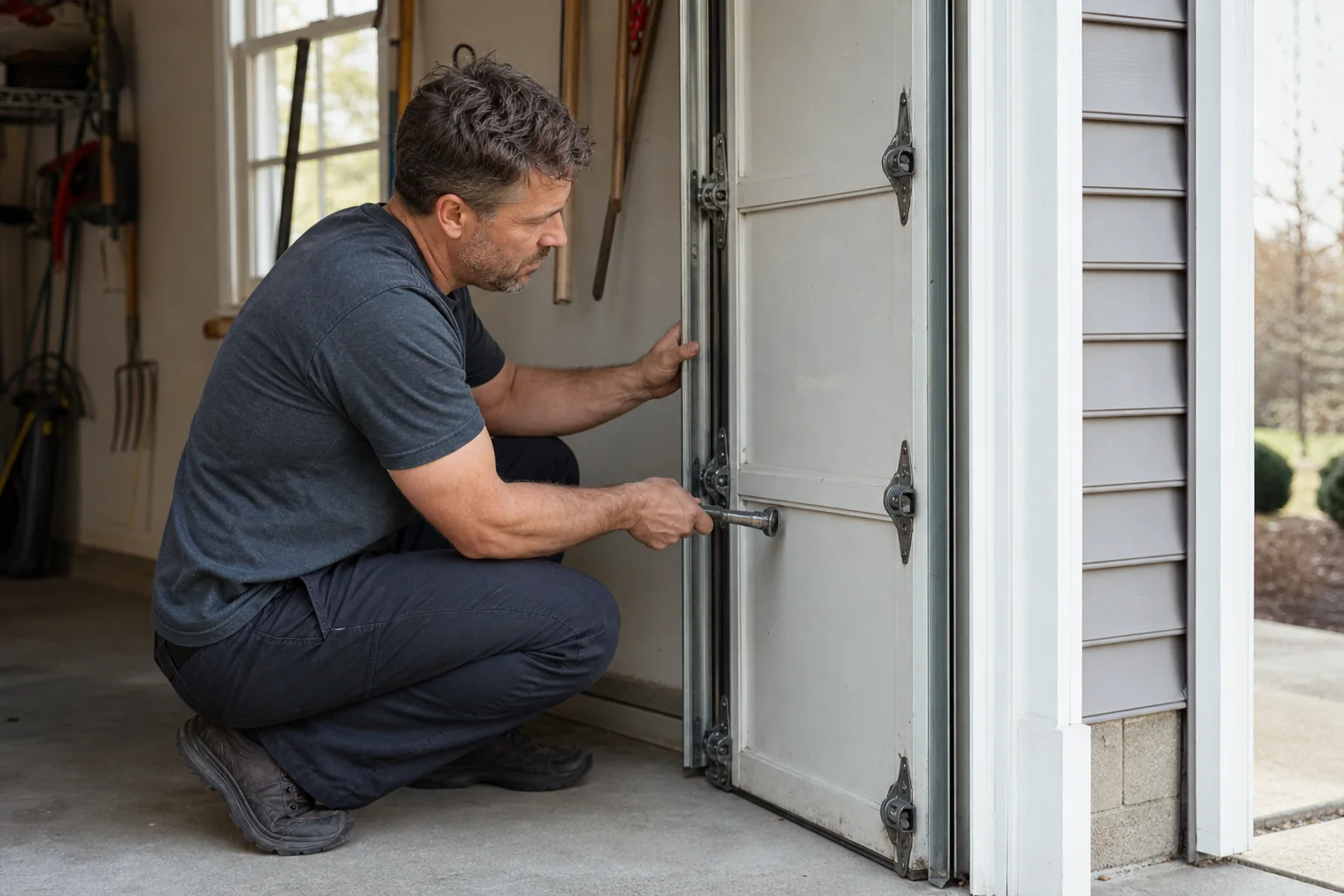
Tracks, rollers, hardware
Grinding in the same spot, a door that shakes the whole wall, a roller creeping out of its track — all cheap to sort now, all expensive once the door comes off.
See what's included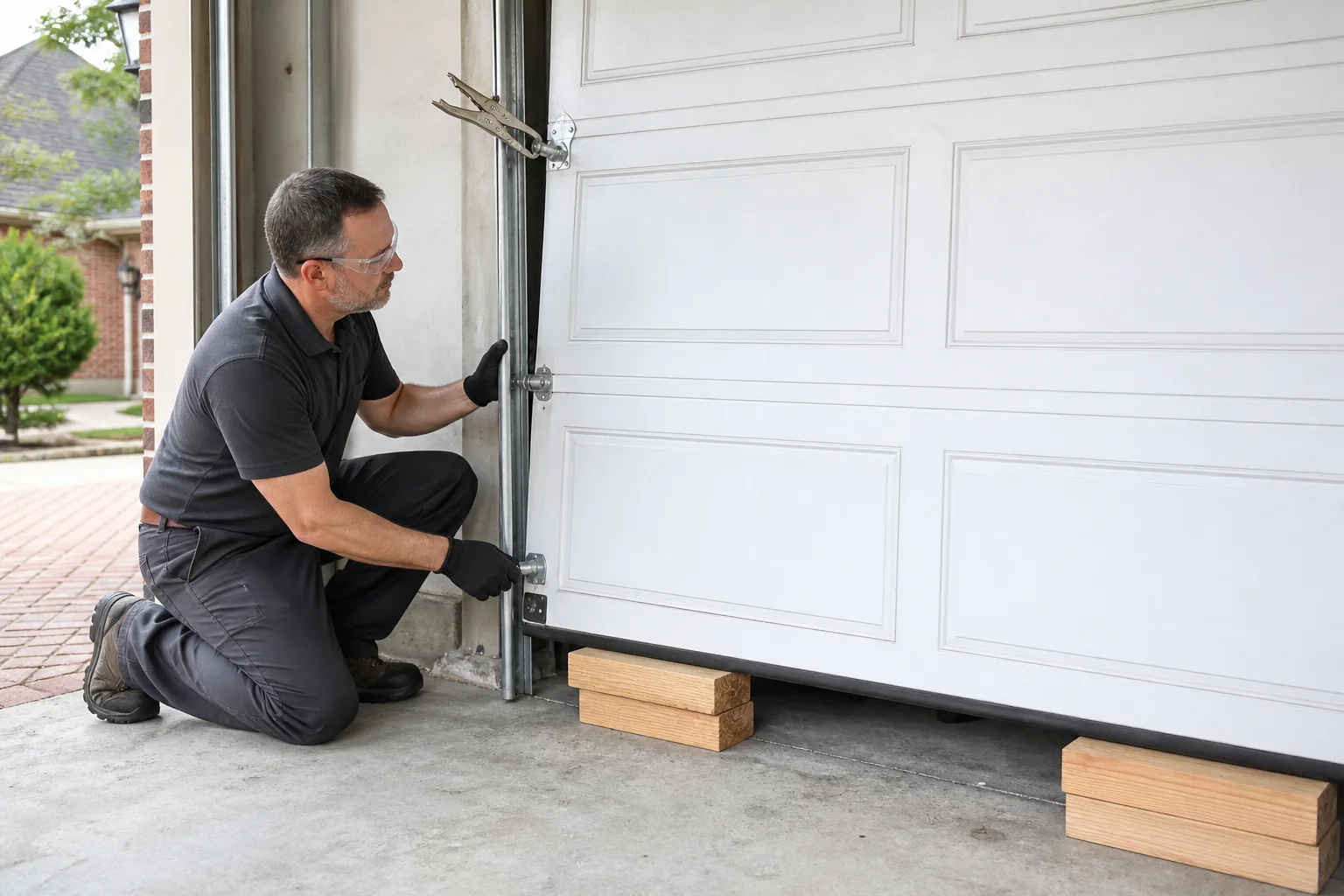
Off-track and stuck
Every extra cycle bends another panel and drags more cable out of line. Leave it where it is, keep the opening clear, and get it stabilized properly.
See what's included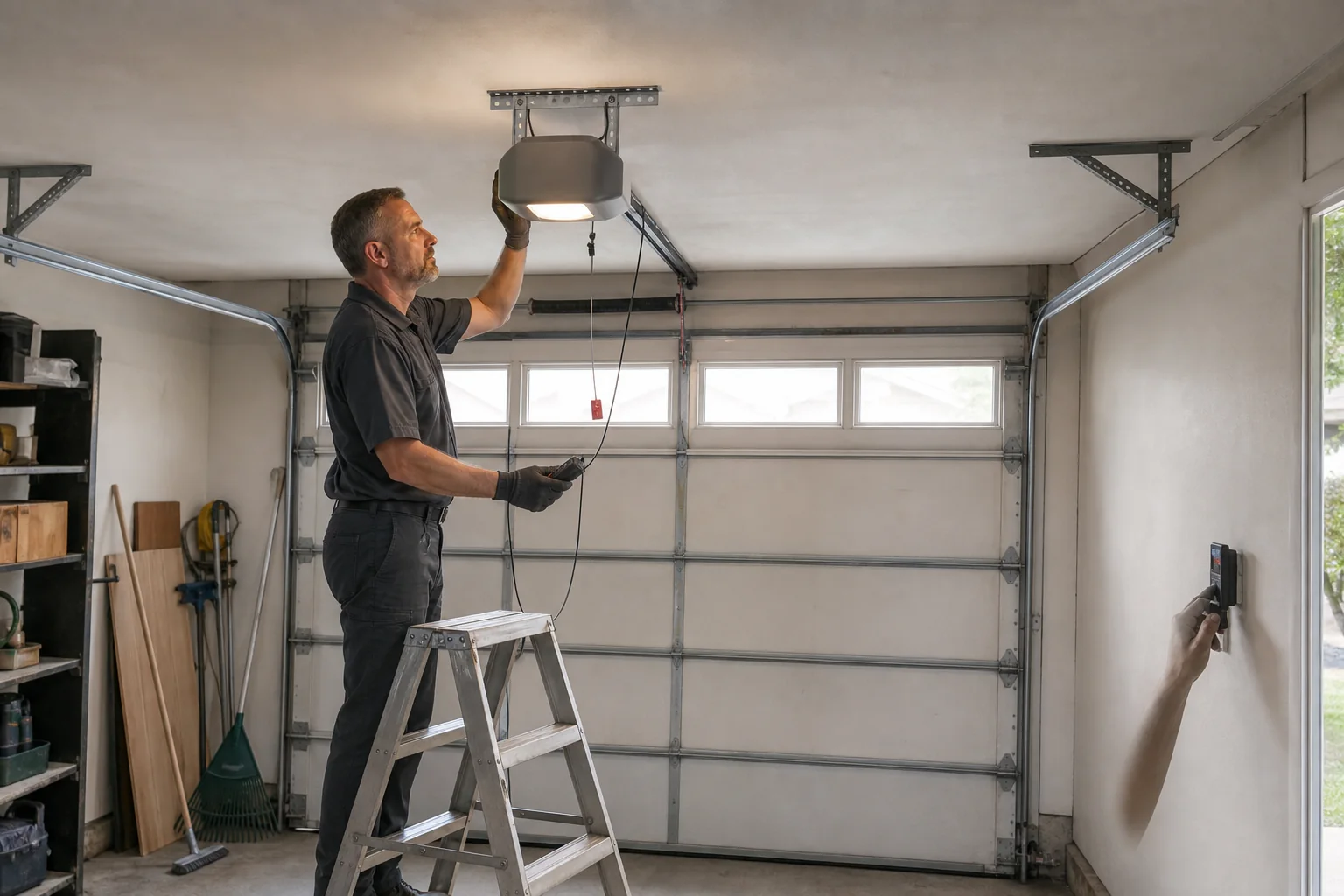
Openers
Motors take the blame for dead springs constantly. Worth knowing which one you've got before you buy an opener you didn't need.
See what's includedBillings guide
Out in Billings Heights, on the West End and up at Rehberg Ranch the garage came with the house: attached, insulated to some degree, sharing a wall with a heated room. On the older South Side and the blocks near downtown it's more often a separate building at the back of the lot, standing on its own slab with nothing warming it.
That difference decides a lot. An unheated detached garage holds the overnight temperature well into the day, so the grease is thicker, the rubber is harder and the opener works against all of it. It may sit on its own circuit too, and a van may have to come down the alley. Tell us which one you've got.
What breaks working doors here isn't the cold on its own, it's the swing. A warm wind comes through, snow melts against the bottom rubber and runs underneath it, then the temperature drops back and by morning the seal is locked to the concrete.
Press the button and the opener keeps pulling, because it has no way of knowing the door isn't free. That's how a gear strips, a cable comes off its drum, or a top section gets pulled out of shape. If the door groans and doesn't move, stop. Warm the slab if you can, and tell us what happened on that first press.
Sanded streets put grit on every vehicle in town and it comes off inside the garage. It collects in the bottom track, in the rollers and on the hinges, and by February the door is running on something closer to grinding paste than a clean bearing surface.
You'll hear it long before anything fails: a grating noise instead of a hum, or a judder at the same point in the travel. Report that as a symptom in its own right, because rollers and a cleaned track are a different conversation from a spring. Say whether the noise is new this winter or has been building since the last one.
Give us the cross streets, whether the garage is attached or out back, whether it's heated, and what the door actually did. Where it stopped, what you heard, whether a vehicle is shut in behind it. You don't need to work out the failed part; a guess from the driveway is how people buy an opener they didn't need.
Photos from where you're standing are useful, and there's no reason to climb for them. Anything in before 5 p.m. on a weekday gets a human reply the same business day, and after that the next business morning. The technician confirms scope and price before work begins, and using this site is free.
Most common around Billings
The door stays open, stops, or will not begin closing.
What to do about itA gap appears in the spring above the door or a loud bang precedes a heavy door.
What to do about itSensor lights blink or the door will not close from a remote.
What to do about itThe opener is silent, hums, or runs without moving the door.
What to do about itThe customer wants scope, parts, labor, fees, and alternatives in writing.
What to do about itBillings questions
The seal has almost certainly frozen to the slab. Stop pressing the button, because the opener will keep pulling until the gear, a cable or the top section gives. Work the seal loose by hand if you can do it without stepping under the door, and tell us what happened on that first attempt.
It's meeting something on the last part of the travel and reversing, which is the safety behavior working as designed. Ice, packed snow, or grit built up in the bottom track will all do it. Clear what you can reach, then tell us whether it does the same thing once the floor is dry.
That's a torsion spring letting go, and it isn't a job to attempt. The counterbalance is gone and the door's full weight is on the cables and brackets. Leave the door where it is, keep everyone out from under it, and don't touch the springs or the fittings at the bottom corners.
That pair can't see each other, so the opener won't bring the door down, which is correct. Look for a knocked bracket, a lens with grit on it, or a wire a snow shovel has caught. Tell us which side is dark, and never tape them together or bypass them to get the door shut.
That's usually the door rather than the motor. Cold grease, a stiff seal and springs that have lost a little tension all add up, and the opener is the part that shows the strain. Tell us how the door feels if you pull the release and lift it by hand on a cold morning, standing clear of the opening.
Yes. The technician inspects the door, explains what failed, and puts the scope and the price in front of you before starting. You can turn it down. Nothing is paid through this site and there's no charge for the question.
Billings, MT
What the door did, the temperature swing, and your cross streets. Scope and price are put to you before anyone starts.