

General repair
Garage Door Repair
Tell us what the door is doing and we'll get it in front of someone who can fix it — with the price agreed before the work starts.
See what's includedGarage door repair · Springfield, MA
A detached Springfield garage is cold right the way through by January. Say what yours is doing and see the fault and the price first.
McKnight, Forest Park, Sixteen Acres, and the streets either side of them.
Springs, cables, openers, sensors, tracks, panels, seals, and full replacements.
You hear what failed and what it costs first. Saying no at that point costs you nothing.
Ask before 5 p.m. on a weekday and you hear back that business day.
Why us for this door
Nothing in a detached garage gets any warmth from the house, so after a week of hard cold the springs, the rollers and the grease are all at outdoor temperature and stay there through the day. Everything moves stiffer, the opener draws more, and sanded slush freezes into the track overnight to finish the job.
None of that means the door is worn out, and that distinction is the difference between an adjustment and a replacement. Tell us how the back drive runs in McKnight or Pine Point and what the door did. The price is agreed with you first.
Get my door fixedWhere we work
McKnight garages sit at the end of a long back drive; Sixteen Acres and East Forest Park have attached bays. Say which is yours.
Plenty of the work we take isn't in Springfield proper. These are the towns around it and what tends to be different about a door there.
Don't see your street or your town? These are the places where the housing changes enough to change the job — not the edge of where we go, and not a promise about your exact address either. We take work across Springfield and the wider Massachusetts area, and the address you send is what actually gets checked.Check my address
Repairs in Springfield
General repair
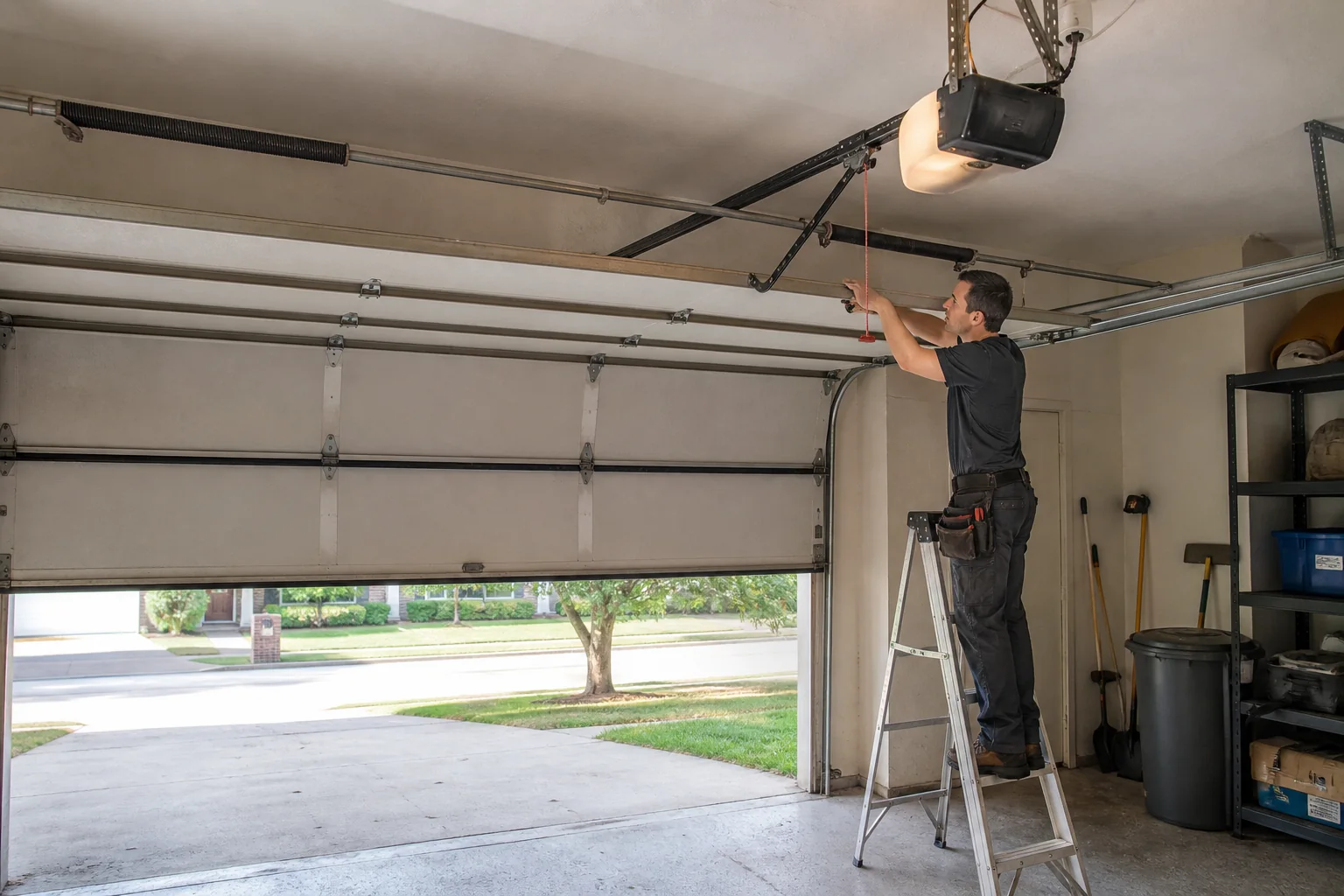
Tell us what the door is doing and we'll get it in front of someone who can fix it — with the price agreed before the work starts.
See what's included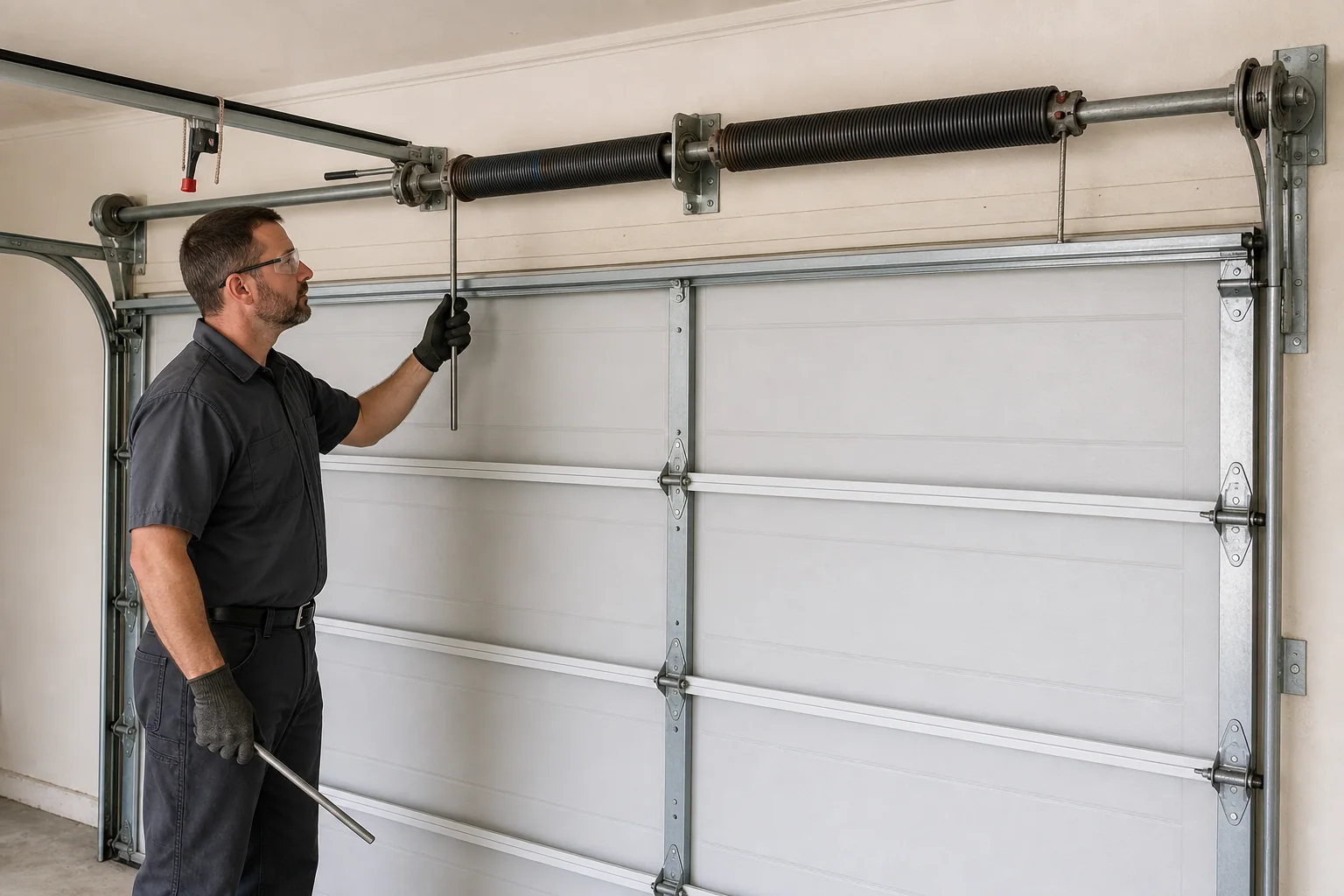
Springs and balance
If your door suddenly weighs a couple hundred pounds, a spring has almost certainly let go. Leave it down, keep everyone clear, and let someone with the right winding bars deal with it.
See what's included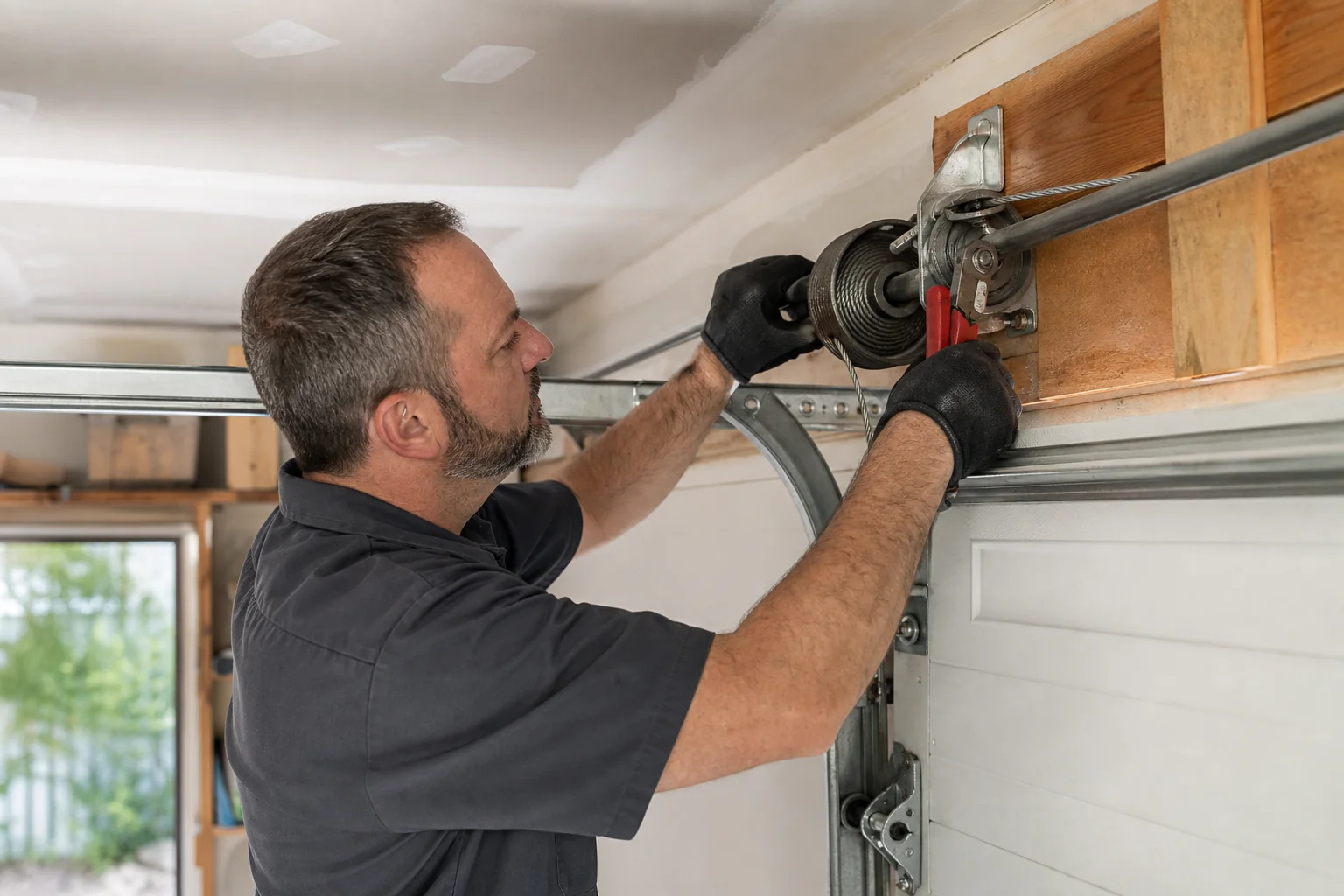
Cables and drums
One corner sitting lower, or a cable hanging off its drum, means the lift system is out of balance. It wants looking at before the next cycle, not after.
See what's included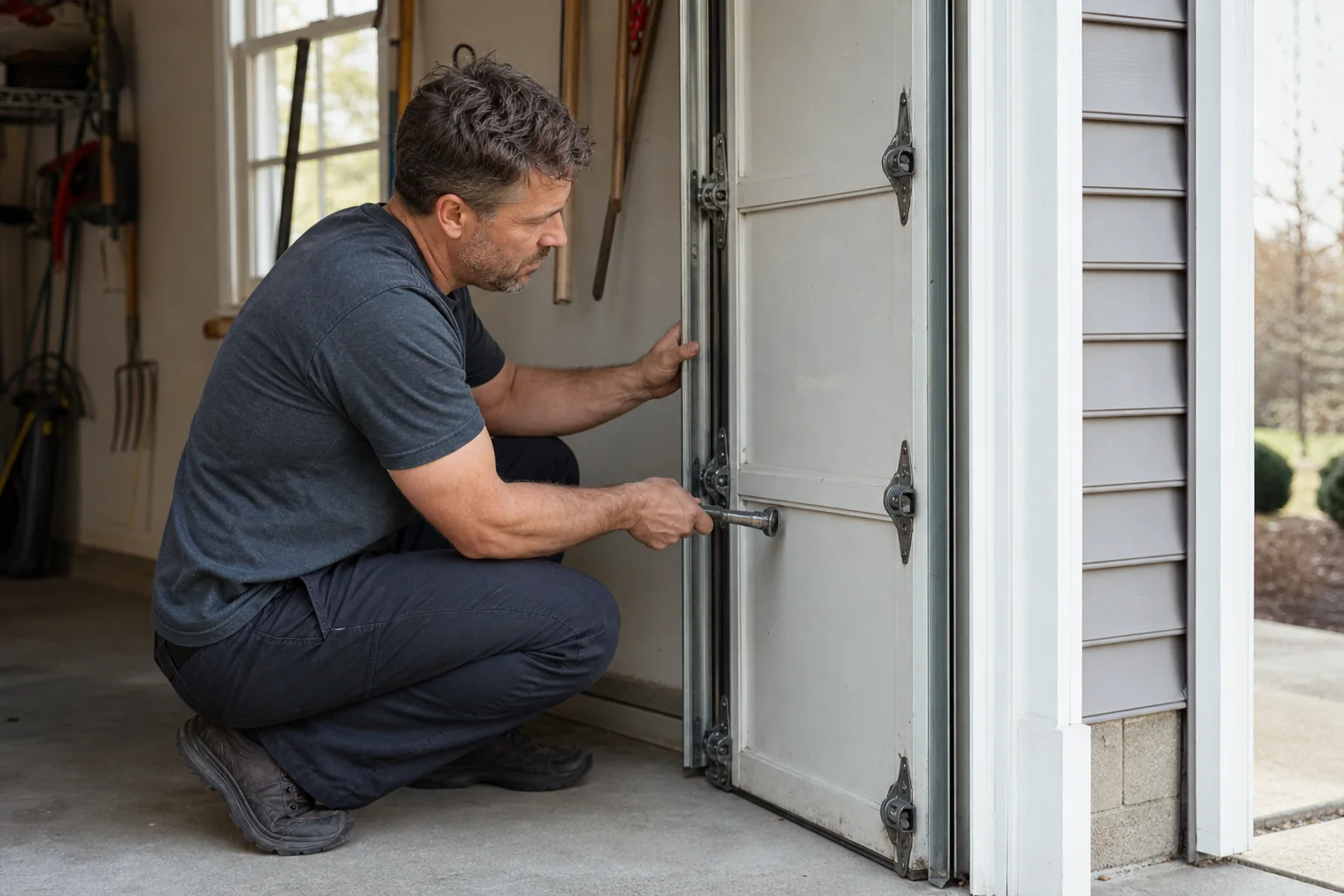
Tracks, rollers, hardware
Grinding in the same spot, a door that shakes the whole wall, a roller creeping out of its track — all cheap to sort now, all expensive once the door comes off.
See what's included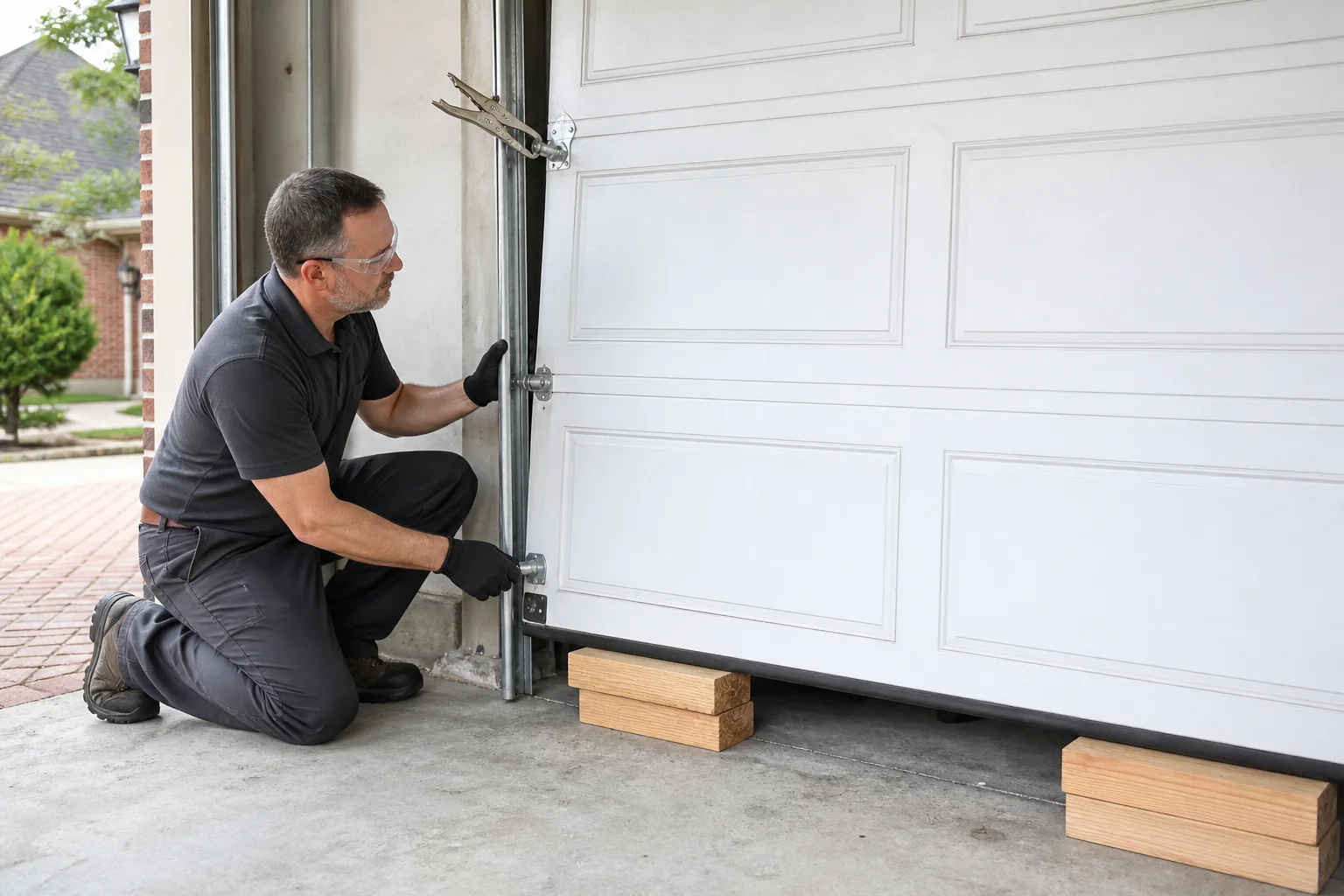
Off-track and stuck
Every extra cycle bends another panel and drags more cable out of line. Leave it where it is, keep the opening clear, and get it stabilized properly.
See what's included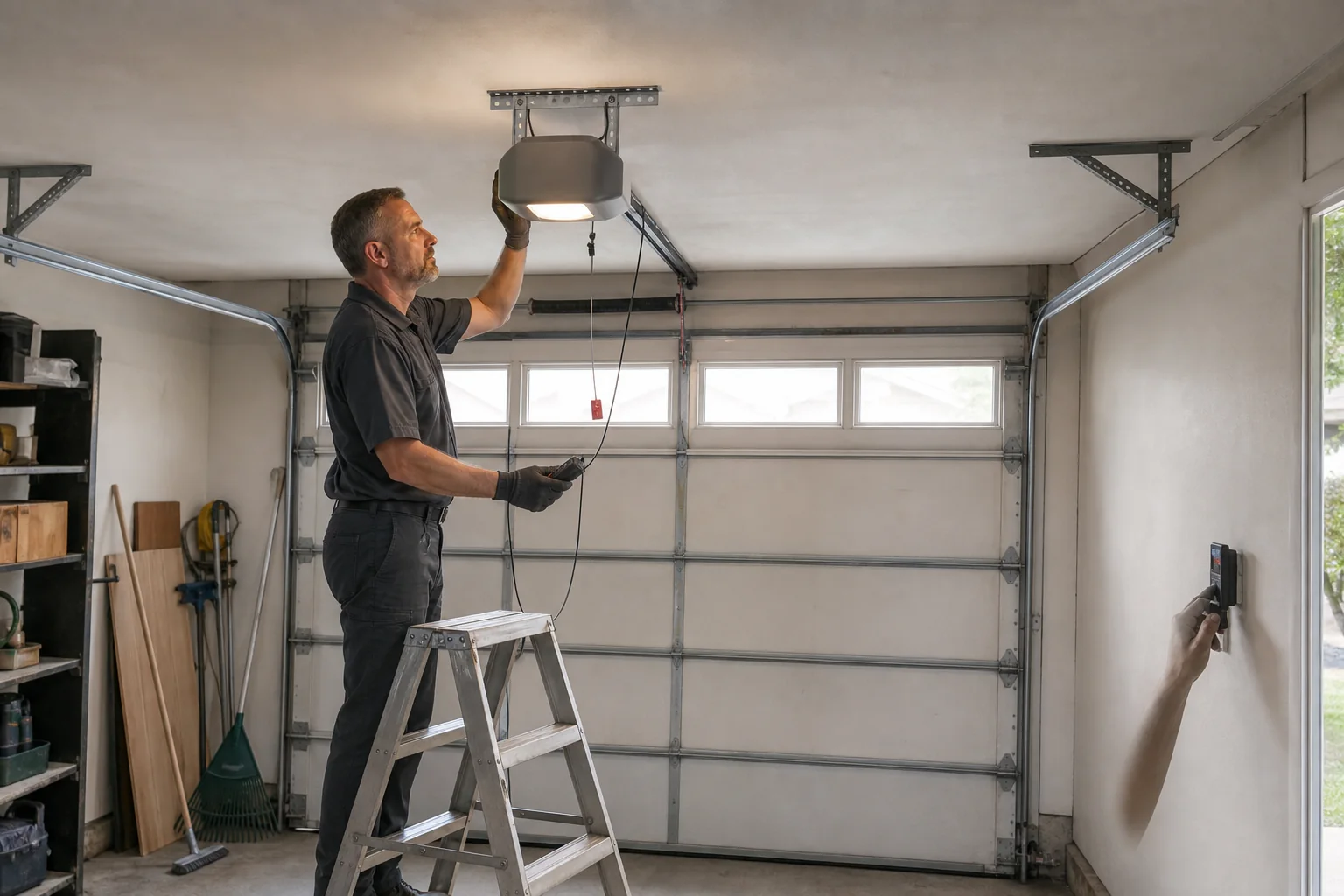
Openers
Motors take the blame for dead springs constantly. Worth knowing which one you've got before you buy an opener you didn't need.
See what's includedSpringfield guide
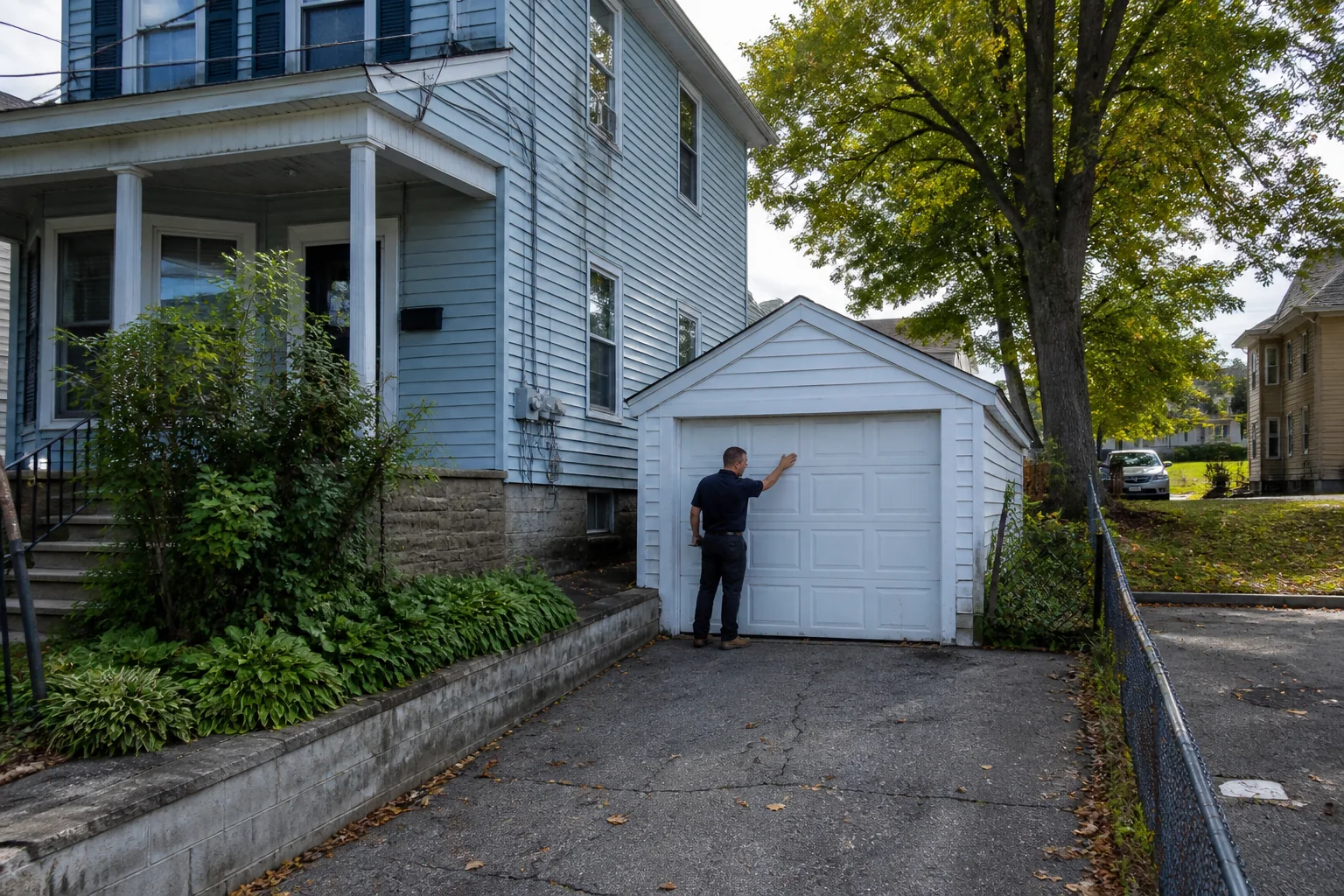
In McKnight the garage is generally a separate building at the far end of a deep lot, and the drive to it is one car wide the whole way. Forest Park is similar and tighter still, with driveways that sometimes serve two houses. Indian Orchard sets its garages hard against the property line with barely room to stand beside them.
Sixteen Acres and East Forest Park are the easy end of the city, with attached bays, level driveways, and space to work. Tell us which you have, and in winter tell us whether the drive is plowed right up to the door, because a buried driveway ends the visit before it starts.
A separate building with no heat doesn't just get cold at the surface. By mid-January the springs, the grease, and the plastic gears in the opener have all been sitting at outdoor temperature for weeks. Lubricant stiffens, the door gets noticeably heavier to lift, and a unit that coped in October starts to strain.
That's why a door which only misbehaves in deep winter is usually talking about balance rather than about the opener. Pull the release cord with the door shut and lift by hand. If it fights you the whole way or drops back down, that's the spring, and it isn't a repair to attempt yourself.
Everything spread on a Springfield driveway comes back into the garage on the tires. Sand, salt, and grit settle into the bottom of the track and along the seal, then pack down, get wet, and freeze overnight into a ridge the rollers have to climb.
The door either refuses to move or shudders its way up and reverses. Don't hold the button to force it, because the opener will keep pulling until something in the drivetrain breaks. Clear what you can reach with a broom while standing upright, and tell us whether the door moved at all before it gave up.
Cross streets, attached or detached, single or double, whether a vehicle is stuck behind the door, and what the door did at the moment it stopped. Guessing at the failed part rarely helps, and it's how people end up replacing an opener that was working fine.
Add whether the drive is cleared and whether the garage has any heat in it. Photos from where you're standing are welcome and nothing from a ladder is. Sent before 5 p.m. on a weekday, it gets a human response the same business day, and the price is confirmed before any work happens.
Most common around Springfield
The door stays open, stops, or will not begin closing.
What to do about itA gap appears in the spring above the door or a loud bang precedes a heavy door.
What to do about itSensor lights blink or the door will not close from a remote.
What to do about itThe opener is silent, hums, or runs without moving the door.
What to do about itThe customer wants scope, parts, labor, fees, and alternatives in writing.
What to do about itSpringfield questions
An overnight change like that is nearly always cold or ice rather than a part wearing out. Meltwater under the bottom seal freezes and bonds the door to the slab, and the opener will happily keep pulling. Give the concrete time, or free the seal by hand if you can do it standing safely clear. Then tell us whether the door groaned, clicked, or did nothing at all.
Usually it did. Grit and road sand build a ridge in the bottom of the track over the winter, and a roller climbing that ridge reads to the opener as an obstruction. Sweep the track out from a standing position and try again. If it still reverses at the same spot, note that height and tell us, and don't hold the button to force it through.
Cold makes a door feel a little heavier, but twice as heavy is a spring problem, not a season. Check the shaft above the door for a gap in the coil. If there is one, stop there: the cables and bottom brackets are now carrying the whole load and neither is meant to. Keep the door down, keep people clear, and leave the hardware alone.
Then the snowbank is your answer, at least for now. Anything leaning against a bracket nudges the eye out of line, and packed snow melting into the housing can do worse than that over a week. Clear a foot of space around both sensors, dry the lenses, and see whether the light comes back. Tell us if it doesn't, and never tape a sensor to keep the door closing.
Grinding from an opener that's turning is usually the drive gear, and cold thickened grease makes it worse rather than causing it. Every cycle you run in that state takes a bit more off the teeth. Stop using it, note whether the noise happens going up, going down, or both, and tell us how old the unit is if you know.
Yes, and you should ask for it. The technician inspects the door, explains what failed, and puts the scope and the cost in front of you before any work begins, so nothing is decided while parts are already off. If you don't like the number you can decline. There's no charge for using this site and no payment goes through it.
Springfield, MA
The approach, the symptom, and your cross streets. Scope and price come back to you before anyone starts work.