

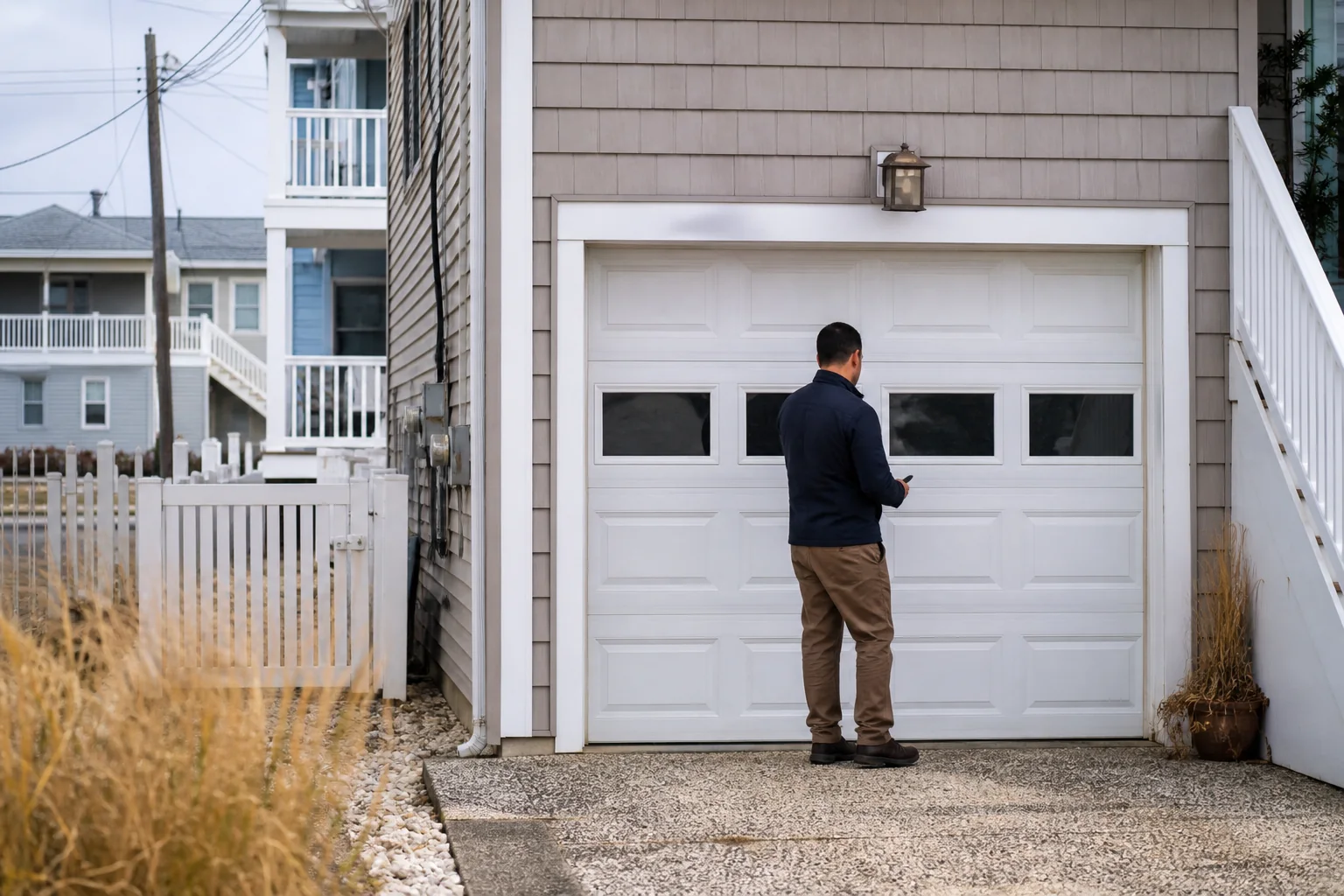
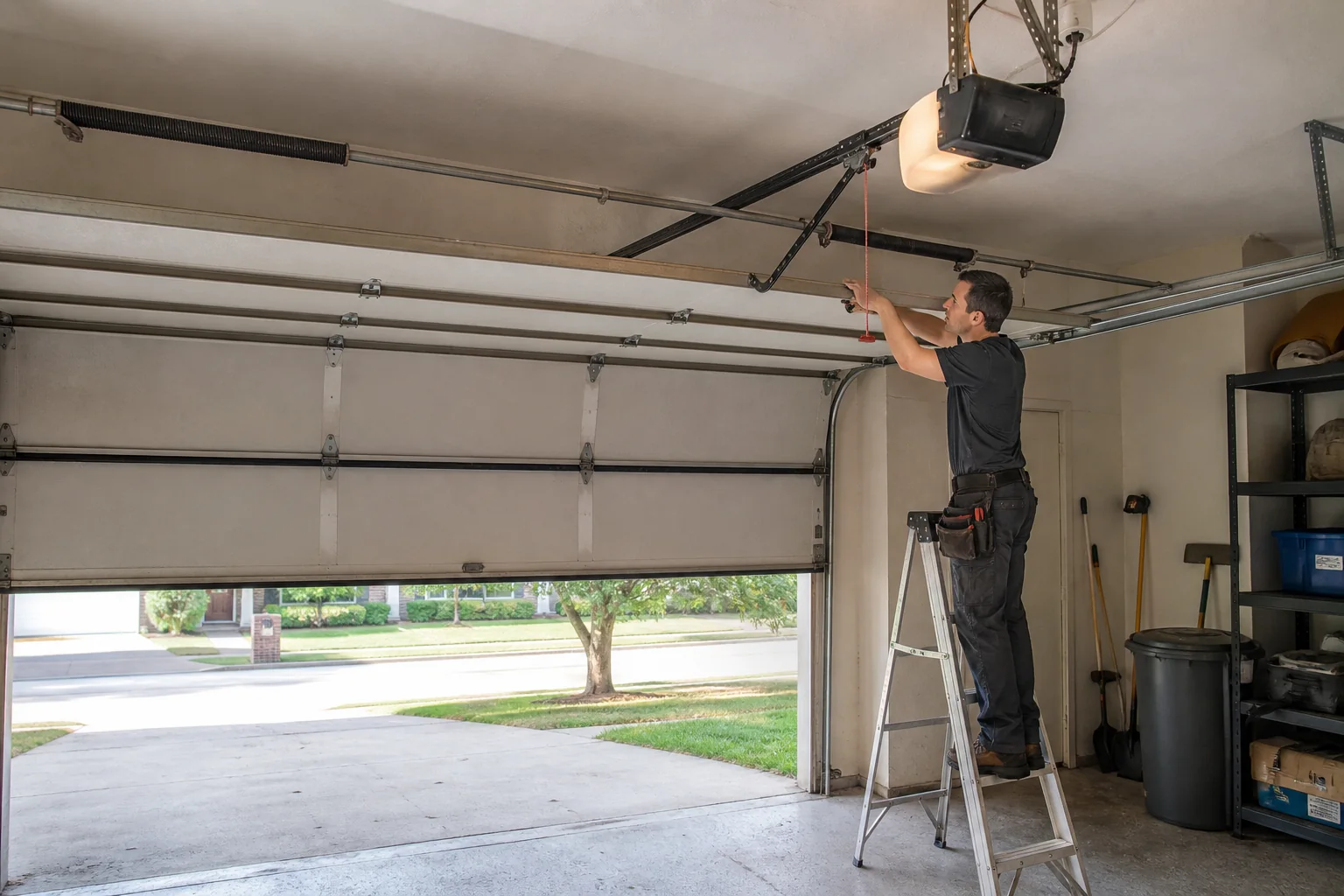
General repair
Garage Door Repair
Tell us what the door is doing and we'll get it in front of someone who can fix it — with the price agreed before the work starts.
See what's includedGarage door repair · Atlantic City, NJ
Salt gets the hardware here long before anything wears out. Say what your door is doing and see the fault and the price before work.
Chelsea Heights, Venice Park, Bungalow Park, and the streets either side of them.
Springs, cables, openers, sensors, tracks, panels, seals, and full replacements.
You hear what failed and what it costs first. Saying no at that point costs you nothing.
Ask before 5 p.m. on a weekday and you hear back that business day.
Why us for this door
The hinges and brackets in the lowest two feet of the door take salt spray, road brine and standing water, and they corrode from the inside of the joint outward. A door in Chelsea Heights or Venice Park can look sound from the street with its load-bearing fixings most of the way gone.
Water sitting in the bottom section shows up on the first freeze, when the panel swells and the door stops sitting flat. Say how close to the water you're and what the door is doing. Scope and price are settled with you before the work.
Get my door fixedWhere we work
Lower Chelsea and the Marina District sit in the spray; Bungalow Park is set back. Say which, and whether the garage is under the house.
Plenty of the work we take isn't in Atlantic City proper. These are the towns around it and what tends to be different about a door there.
Don't see your street or your town? These are the places where the housing changes enough to change the job — not the edge of where we go, and not a promise about your exact address either. We take work across Atlantic City and the wider New Jersey area, and the address you send is what actually gets checked.Check my address
Repairs in Atlantic City
General repair
Tell us what the door is doing and we'll get it in front of someone who can fix it — with the price agreed before the work starts.
See what's included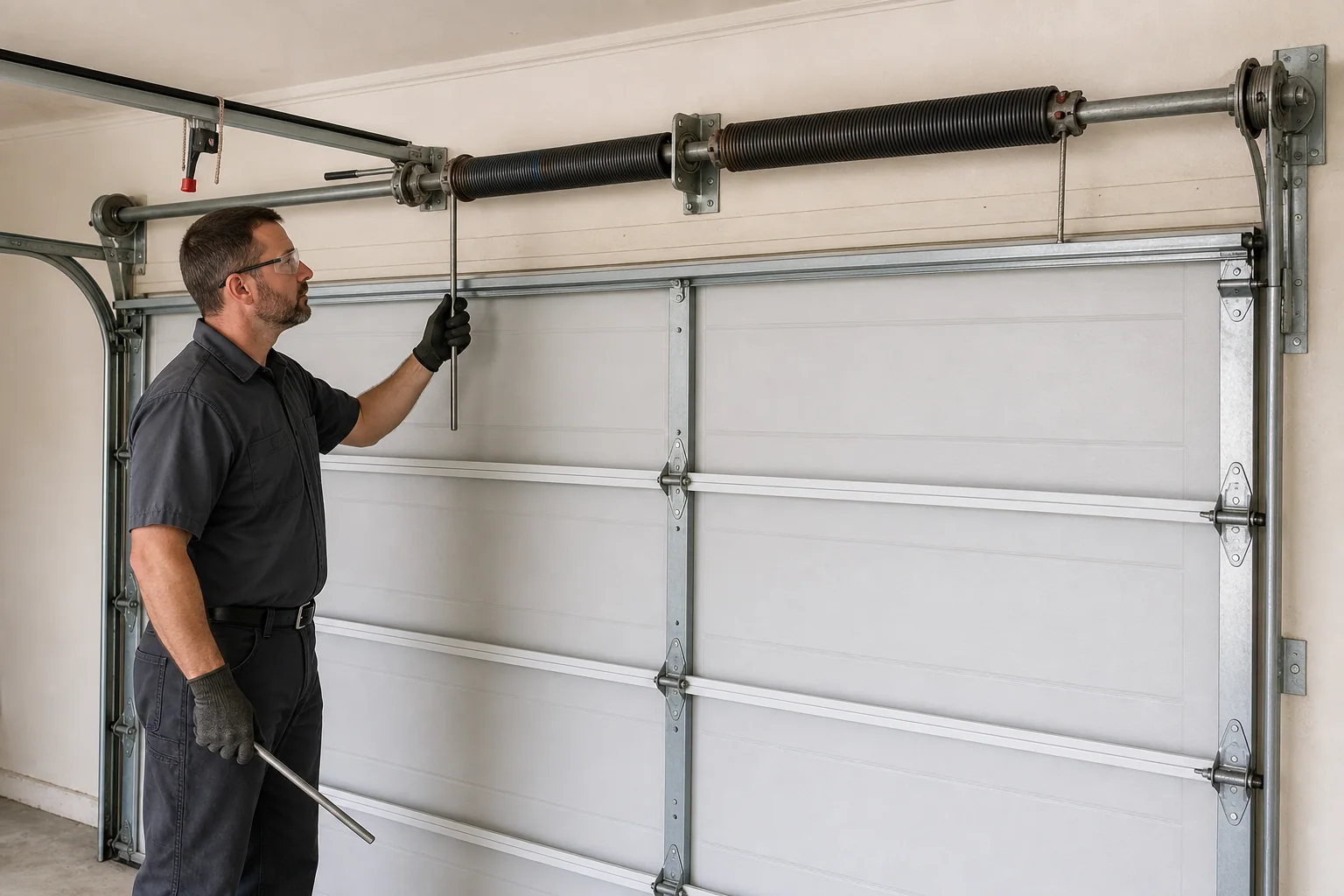
Springs and balance
If your door suddenly weighs a couple hundred pounds, a spring has almost certainly let go. Leave it down, keep everyone clear, and let someone with the right winding bars deal with it.
See what's included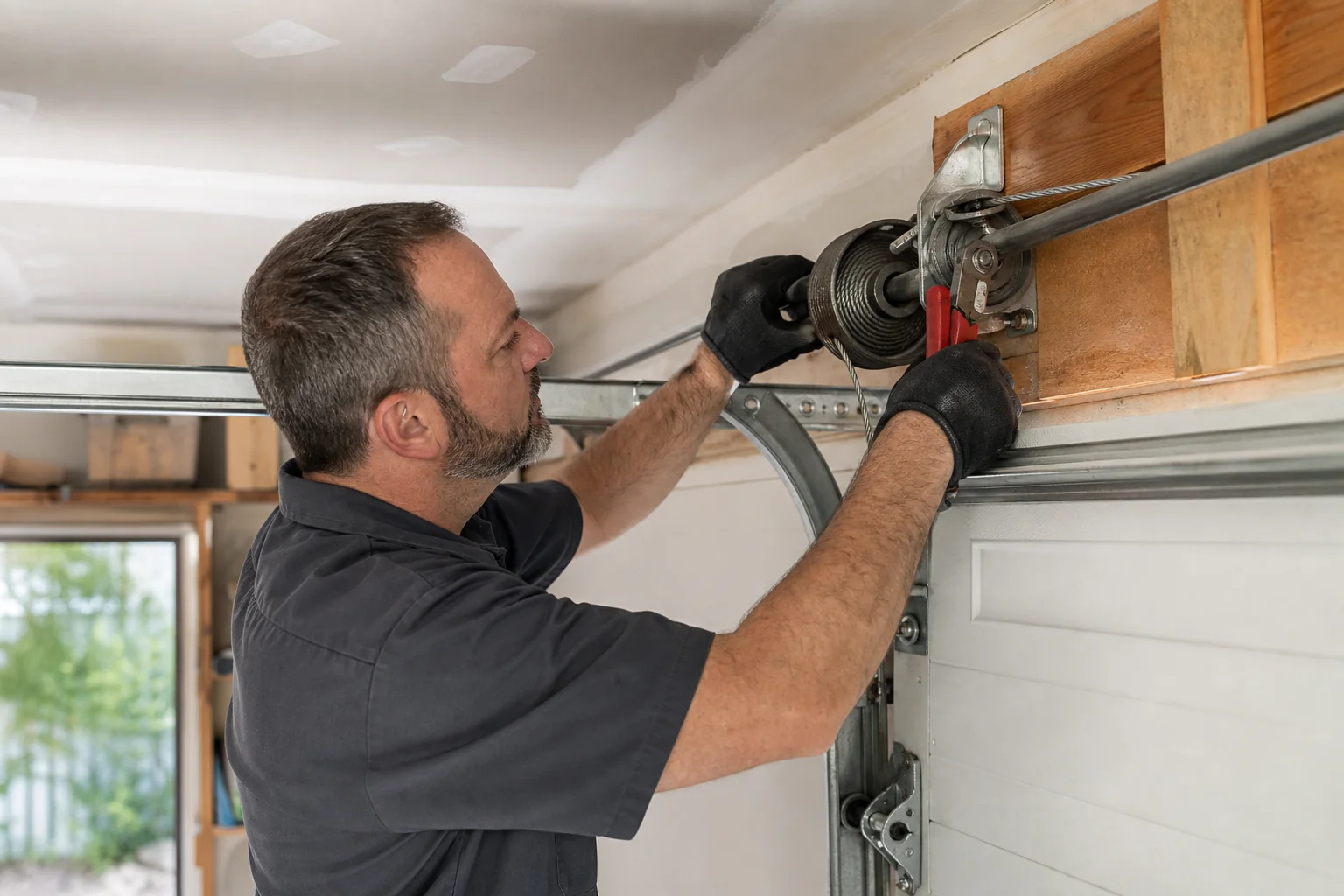
Cables and drums
One corner sitting lower, or a cable hanging off its drum, means the lift system is out of balance. It wants looking at before the next cycle, not after.
See what's included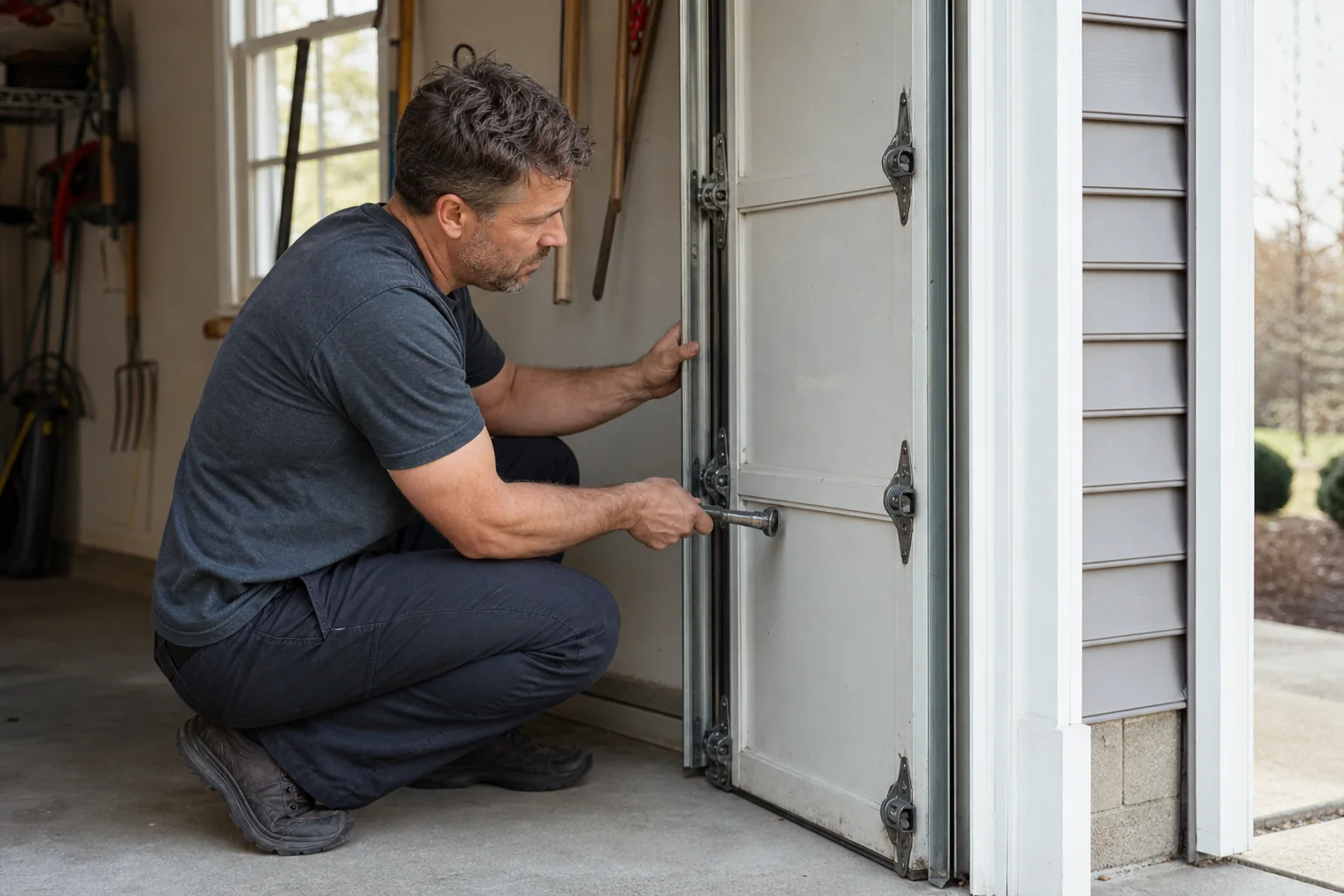
Tracks, rollers, hardware
Grinding in the same spot, a door that shakes the whole wall, a roller creeping out of its track — all cheap to sort now, all expensive once the door comes off.
See what's included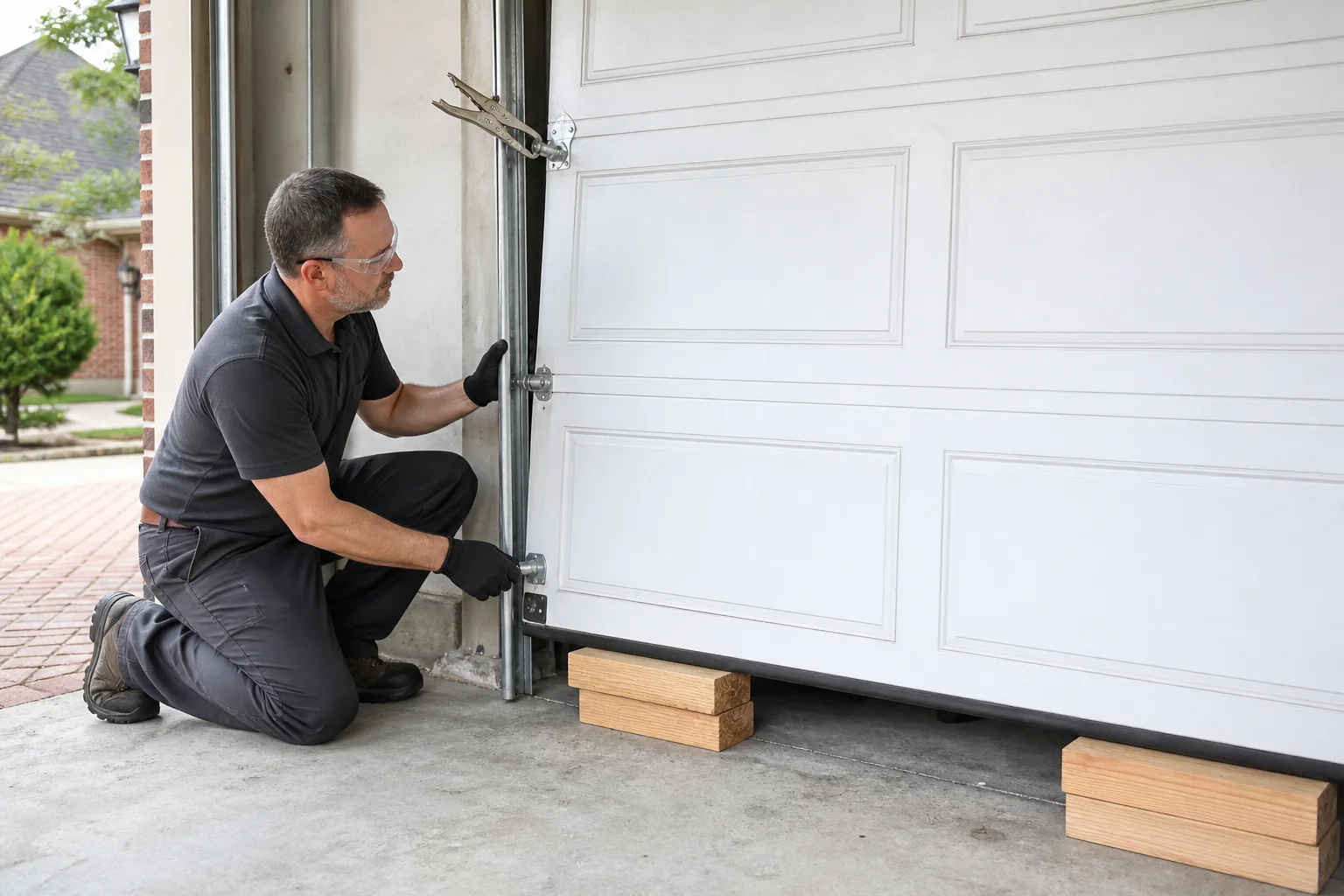
Off-track and stuck
Every extra cycle bends another panel and drags more cable out of line. Leave it where it is, keep the opening clear, and get it stabilized properly.
See what's included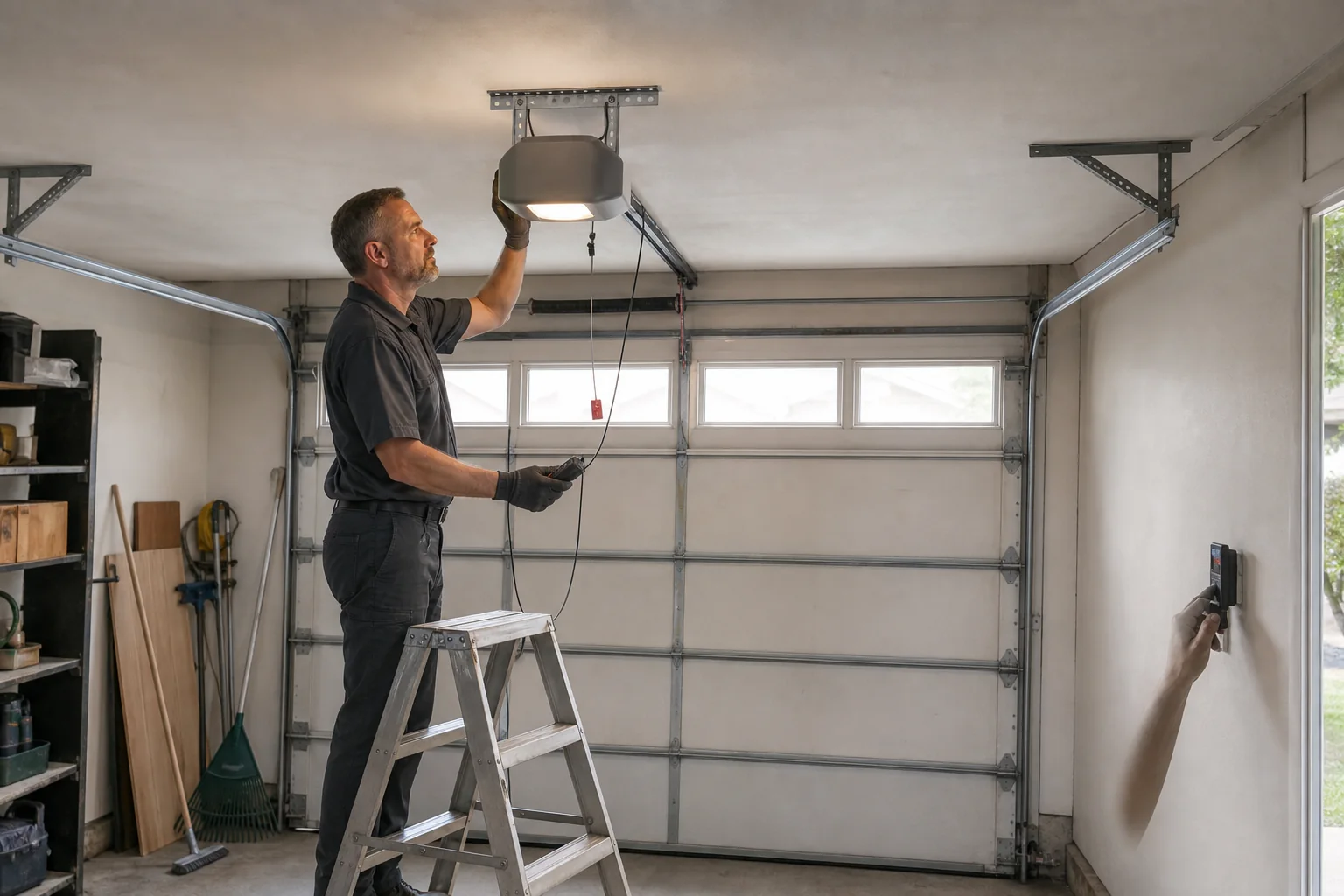
Openers
Motors take the blame for dead springs constantly. Worth knowing which one you've got before you buy an opener you didn't need.
See what's includedAtlantic City guide
On a barrier island the air carries salt every day of the year, and it finds the steel that stays damp the longest. That means the bottom brackets, the lowest hinges, the bottom rollers and the ends of the lift cables, all of them sitting inches off a slab that rarely dries out properly.
So a door in Venice Park or Bungalow Park can look completely sound from the street while the parts holding it up are eaten through. If you can safely photograph the bottom corner from inside the garage, do that and send it. And if the door has started making a gritty grinding noise on the way up, don't keep running it.
Plenty of Chelsea Heights and Venice Park houses have been raised, which puts the garage at ground level with the living space above it. The flood benefit is obvious. The complication for a repair is headroom, because there is often very little space between the top of the opening and the ceiling.
Low-headroom hardware solves that, but only if the technician knows before loading the truck. Measure from the top of the opening to the ceiling if you can do it safely from the floor, say whether the opener hangs from the ceiling or sits beside the door on the jamb, and mention whether the house was lifted.
Back-bay flooding is part of life in Lower Chelsea, Ducktown and the Marina District, and a door that stood in salt water dries off on the outside looking perfectly fine. What got inside the bottom section and into the track doesn't dry on the same schedule at all.
It sits in there, it rusts, and then the first hard freeze locks the whole bottom edge to the slab. The opener will pull against that quite happily until something snaps. If your door has been in floodwater since it was last serviced, say so, because it changes what gets inspected first and it changes what the technician brings.
Then the cross streets, single or double, how far the door got before stopping, and whether a vehicle is shut in. You don't have to identify the part. Where the house sits relative to the bay, and whether it has been raised, is worth more to the technician than any guess about the spring.
Ground-level photos are enough, so don't climb for a better one. A weekday message in before 5 p.m. gets a reply from a person that same business day, and anything later gets the next morning. The technician agrees the scope and the price with you before starting, and you're not charged for using this site.
Most common around Atlantic City
The door stays open, stops, or will not begin closing.
What to do about itA gap appears in the spring above the door or a loud bang precedes a heavy door.
What to do about itSensor lights blink or the door will not close from a remote.
What to do about itThe opener is silent, hums, or runs without moving the door.
What to do about itThe customer wants scope, parts, labor, fees, and alternatives in writing.
What to do about itAtlantic City questions
Lead with that when you write to us. Salt water in the bottom section and in the track leads to rust and seizing, and it shows up later as a door that has suddenly become much harder to move. Stop working the opener against it. Describe the noise, how far the door gets, and roughly when the water was in there.
Something down at floor level is interfering. On a raised house that is often sand or silt on the threshold, or a swollen bottom seal, and sometimes it is a bottom bracket that has rusted out of shape. Look along the strip of floor the door lands on, tell us what you find there, and do not hold the button to force it shut.
That is a conversation to have with the technician at the door, because the honest answer depends on the age and the condition of the pair, and salt air is hard on both. What matters right now is that the door is not safe to operate. Leave it closed if it is closed, keep the area clear, and do not touch the springs, cables, or bottom brackets.
Salt air gets into brackets, wiring, and terminals, and a corroded connection behaves exactly like a misaligned eye. Look at the small screws and at the wire where it enters each sensor. Tell us whether the corrosion is on the bracket or on the unit itself, and do not bridge or tape the circuit to keep the door working in the meantime.
Then the first question is whether the unit or its wiring got wet. An opener that has been under water is not something to keep switching on to see what happens. Turn it off at the outlet, tell us how high the water came and where the opener and the wall control are mounted, and let a technician check it before it is used again.
Yes. The technician looks at the door, says what failed, and gives you the scope and the price before any work begins. You can say no at that point and owe nothing. Nothing is paid through this site, and making the request costs you nothing either.
Atlantic City, NJ
Distance from the water, a photo of the bottom hinges, and your cross streets. Price agreed with you before anyone starts.