

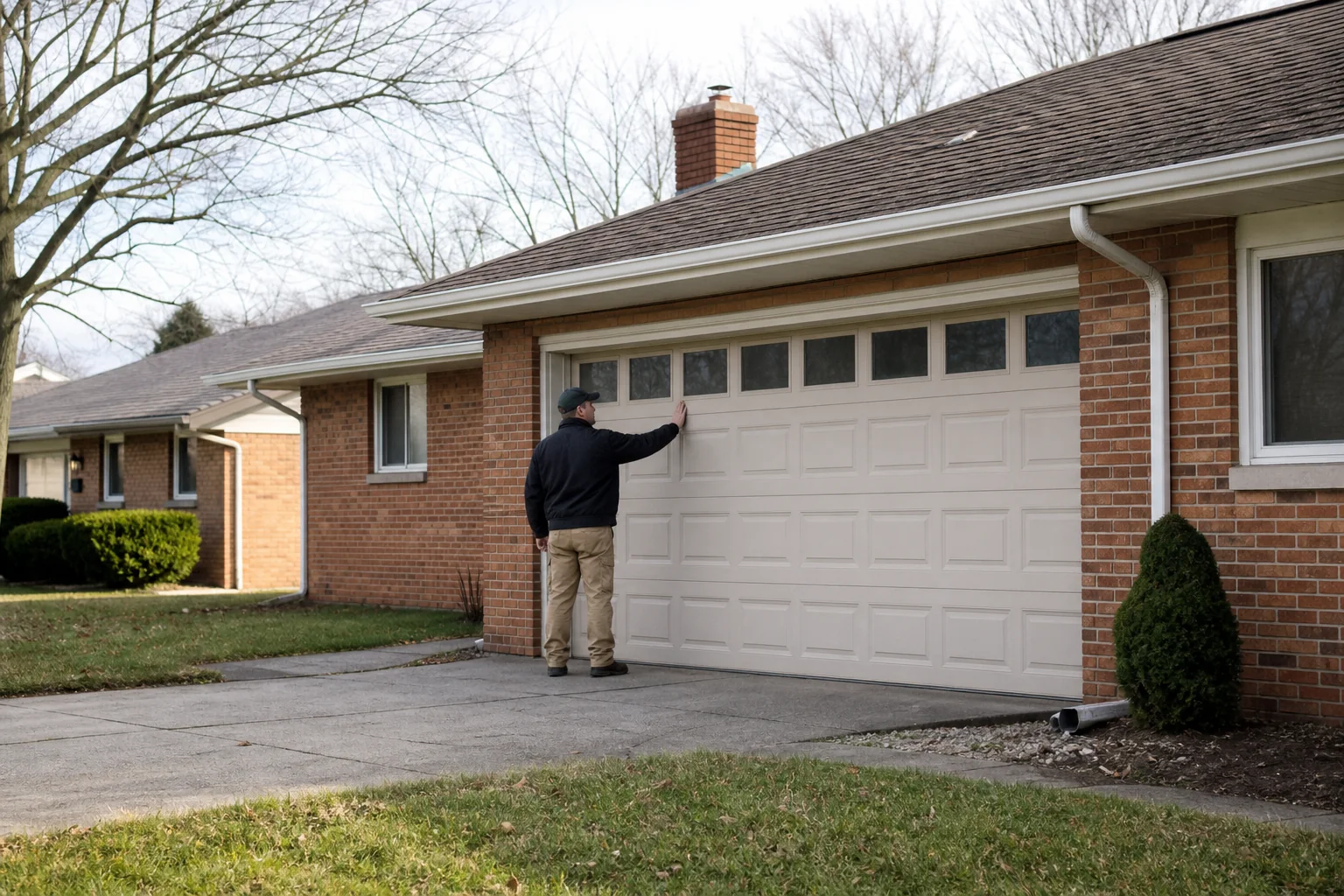
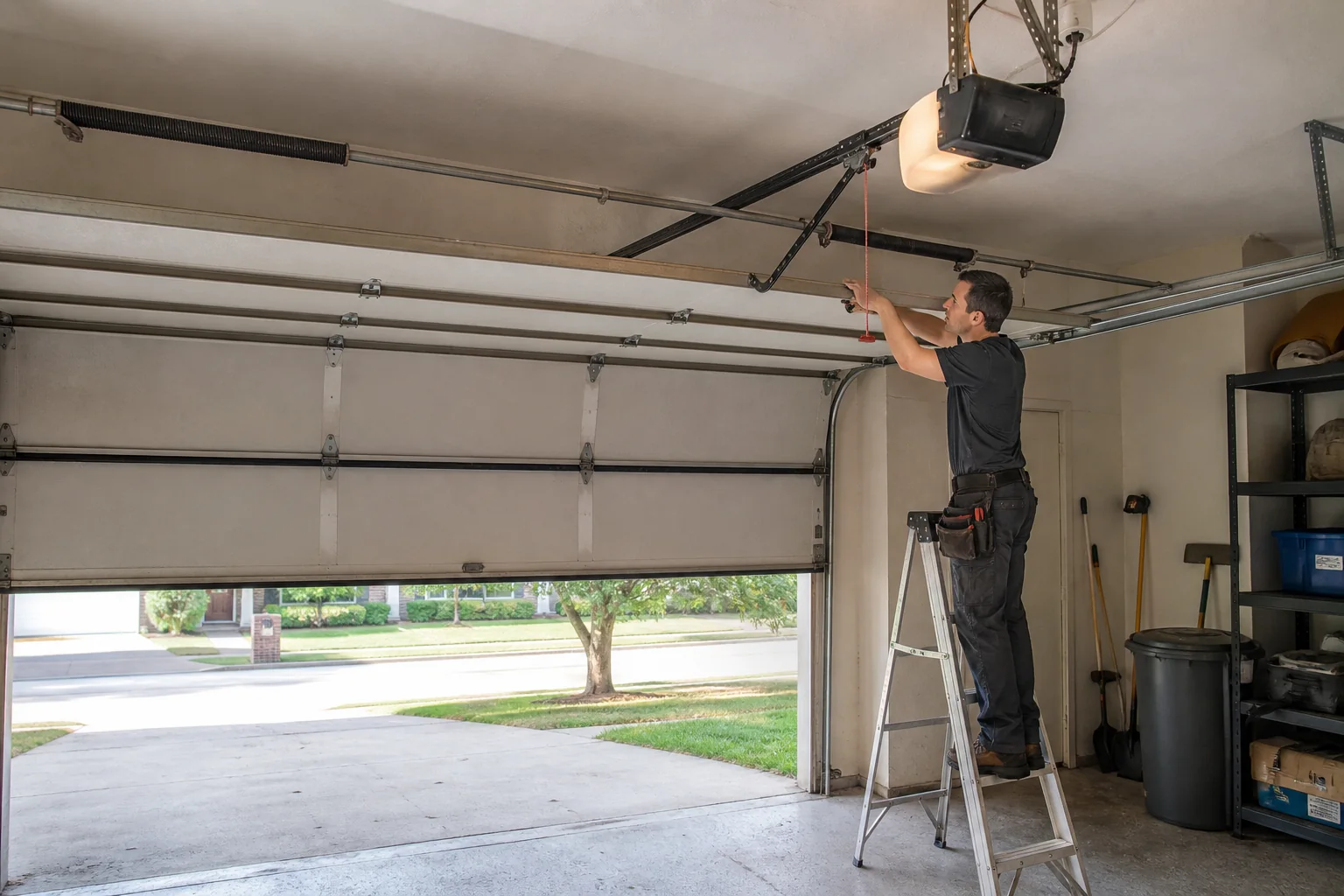
General repair
Garage Door Repair
Tell us what the door is doing and we'll get it in front of someone who can fix it — with the price agreed before the work starts.
See what's includedGarage door repair · Toledo, OH
Salt, damp air and old carriage houses are hard on Toledo doors. Say what yours is doing and see the fault and the price first.
Old West End, Old Orchard, Point Place, and the streets either side of them.
Springs, cables, openers, sensors, tracks, panels, seals, and full replacements.
You hear what failed and what it costs first. Saying no at that point costs you nothing.
Ask before 5 p.m. on a weekday and you hear back that business day.
Why us for this door
Damp lake air and road salt together get into the hinges, roller stems and cable ends, and those go long before a panel does. A door in the Old West End can look presentable and be running on fixings that have lost real strength, which is the part that matters when a spring lets go.
Toledo slabs move in winter and the door notices first, so a door that stopped meeting the floor square is usually about the concrete. Say what the door did and what the hardware looks like. Cost agreed with you before any work.
Get my door fixedWhere we work
The Old West End and Birmingham keep carriage openings; Westgate and DeVeaux are standard. Say which, and how the slab sits.
Plenty of the work we take isn't in Toledo proper. These are the towns around it and what tends to be different about a door there.
Don't see your street or your town? These are the places where the housing changes enough to change the job — not the edge of where we go, and not a promise about your exact address either. We take work across Toledo and the wider Ohio area, and the address you send is what actually gets checked.Check my address
Repairs in Toledo
General repair
Tell us what the door is doing and we'll get it in front of someone who can fix it — with the price agreed before the work starts.
See what's included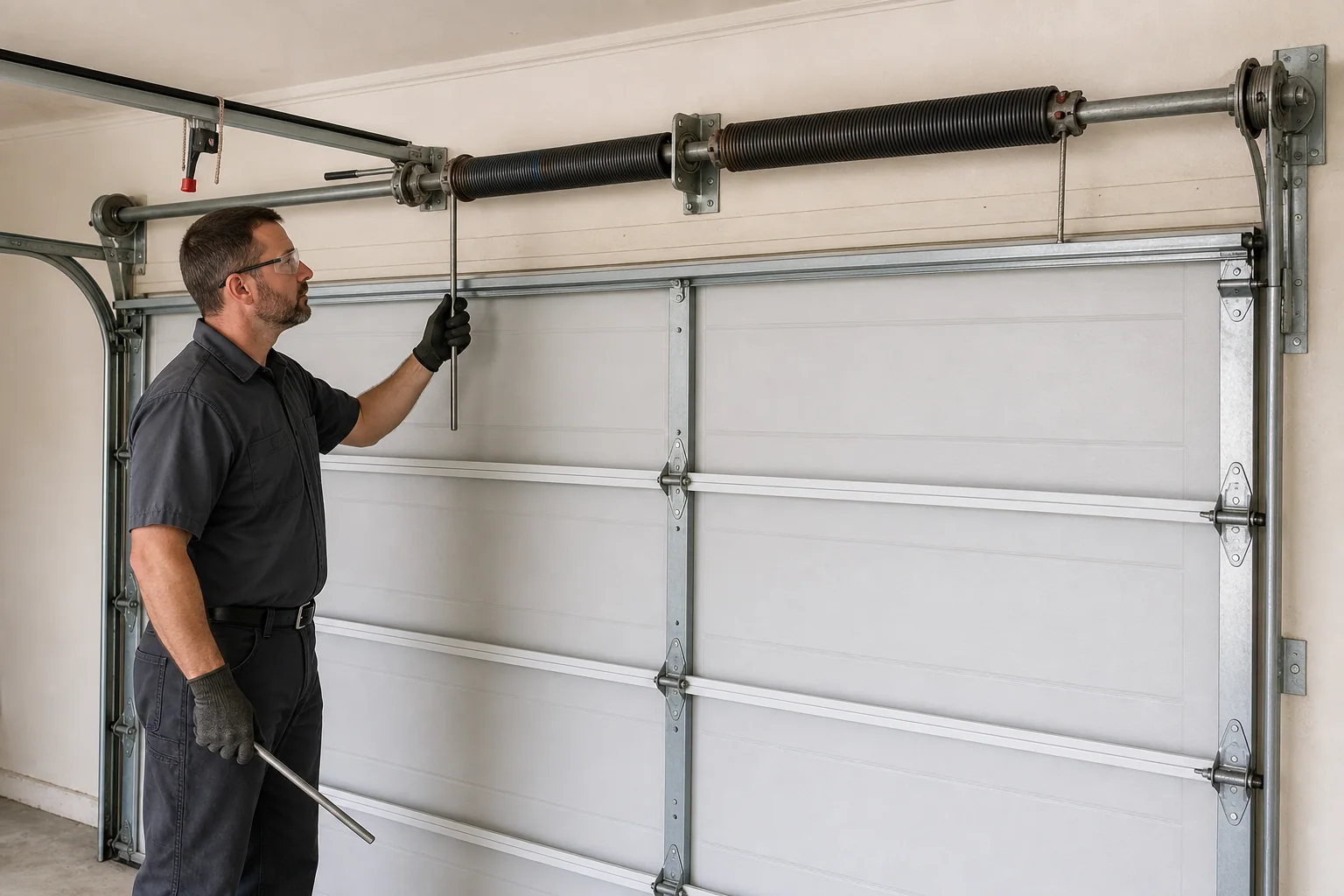
Springs and balance
If your door suddenly weighs a couple hundred pounds, a spring has almost certainly let go. Leave it down, keep everyone clear, and let someone with the right winding bars deal with it.
See what's included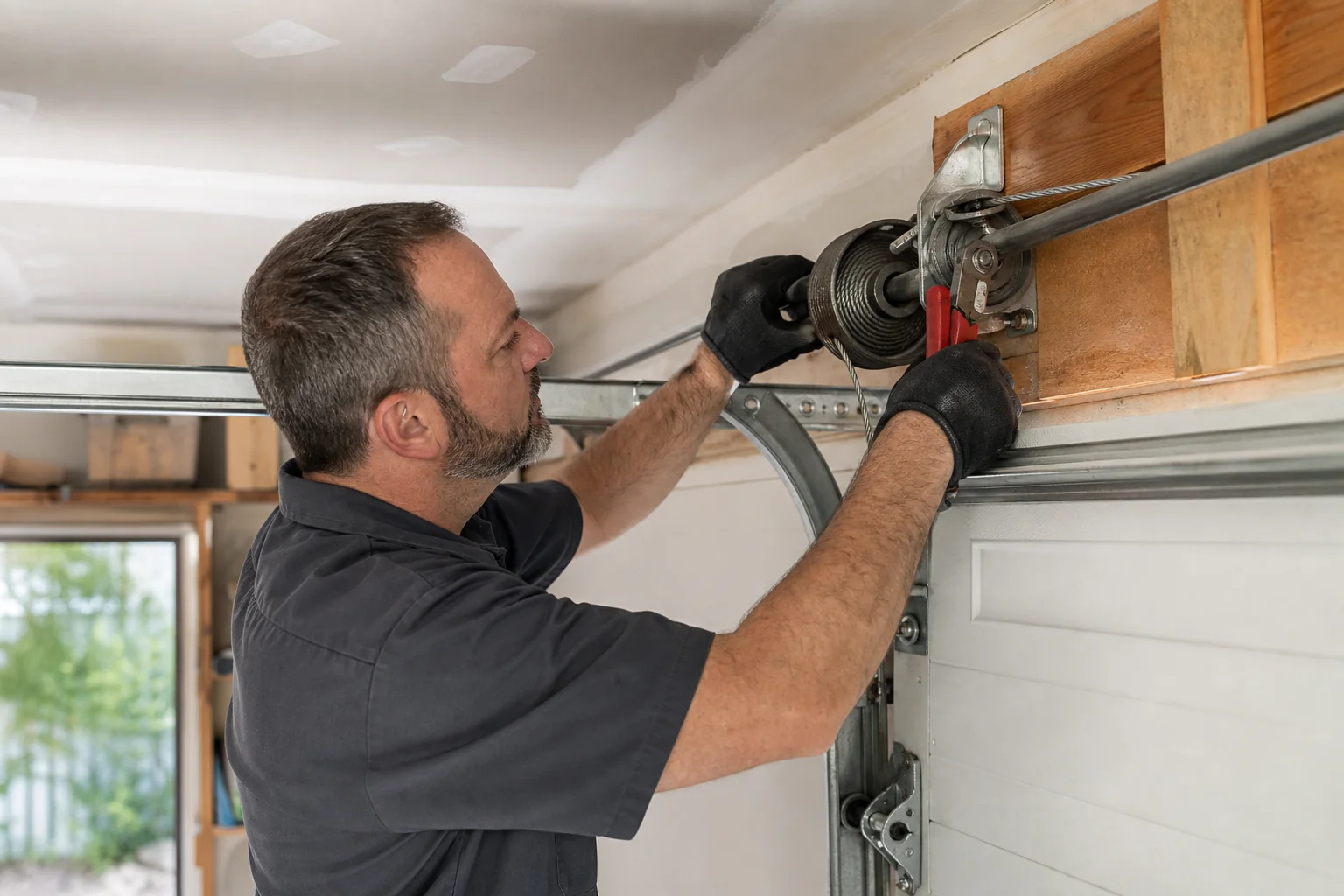
Cables and drums
One corner sitting lower, or a cable hanging off its drum, means the lift system is out of balance. It wants looking at before the next cycle, not after.
See what's included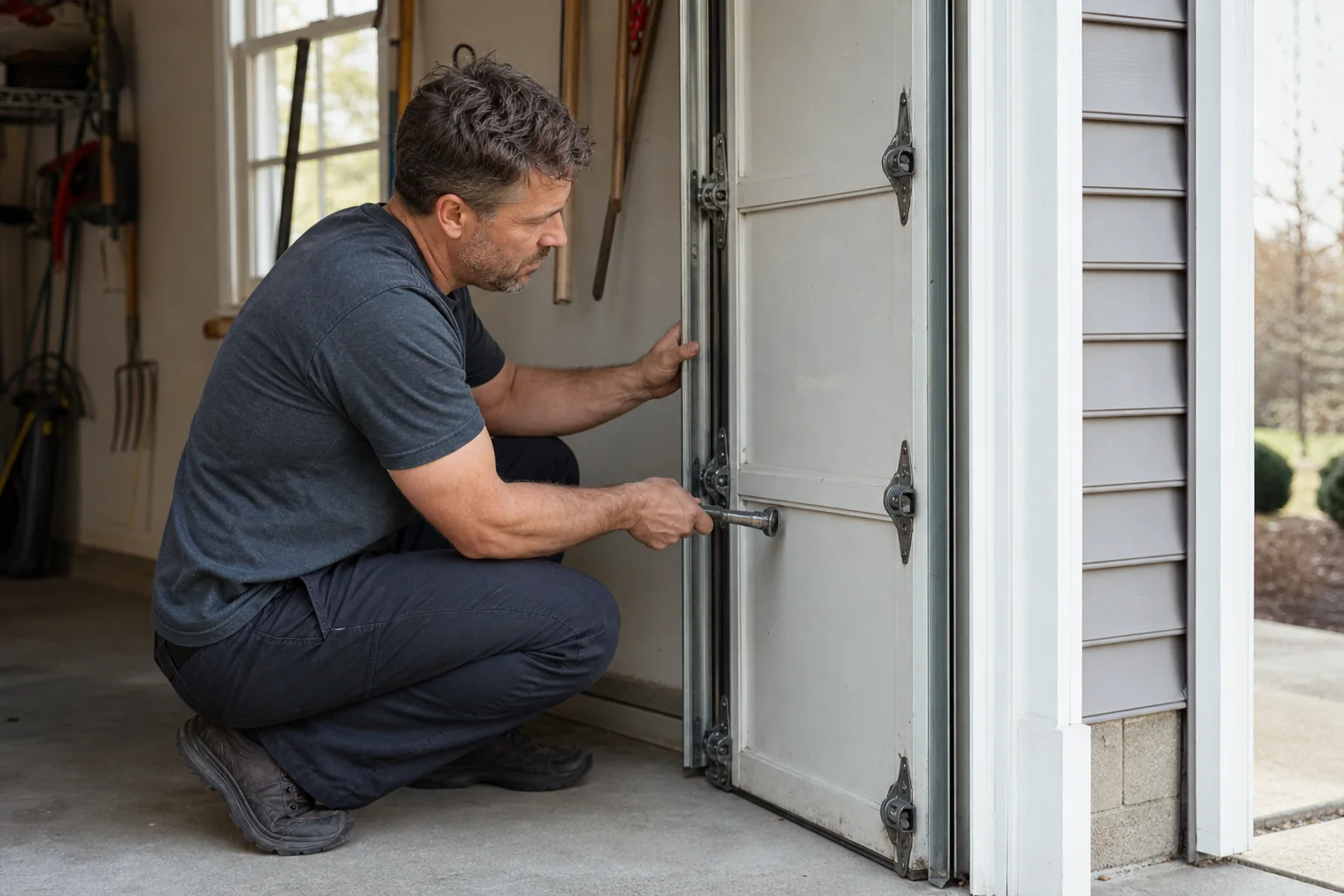
Tracks, rollers, hardware
Grinding in the same spot, a door that shakes the whole wall, a roller creeping out of its track — all cheap to sort now, all expensive once the door comes off.
See what's included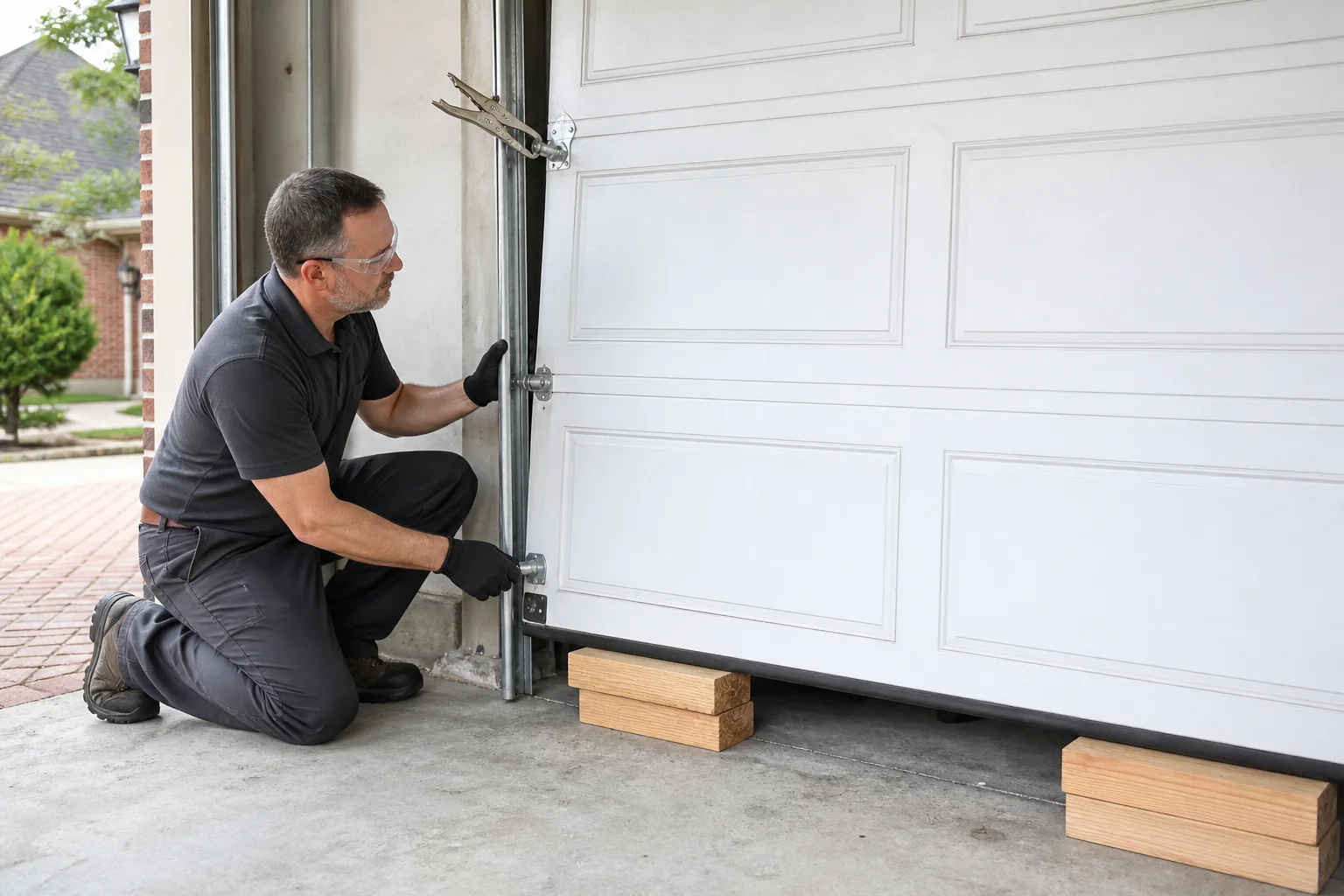
Off-track and stuck
Every extra cycle bends another panel and drags more cable out of line. Leave it where it is, keep the opening clear, and get it stabilized properly.
See what's included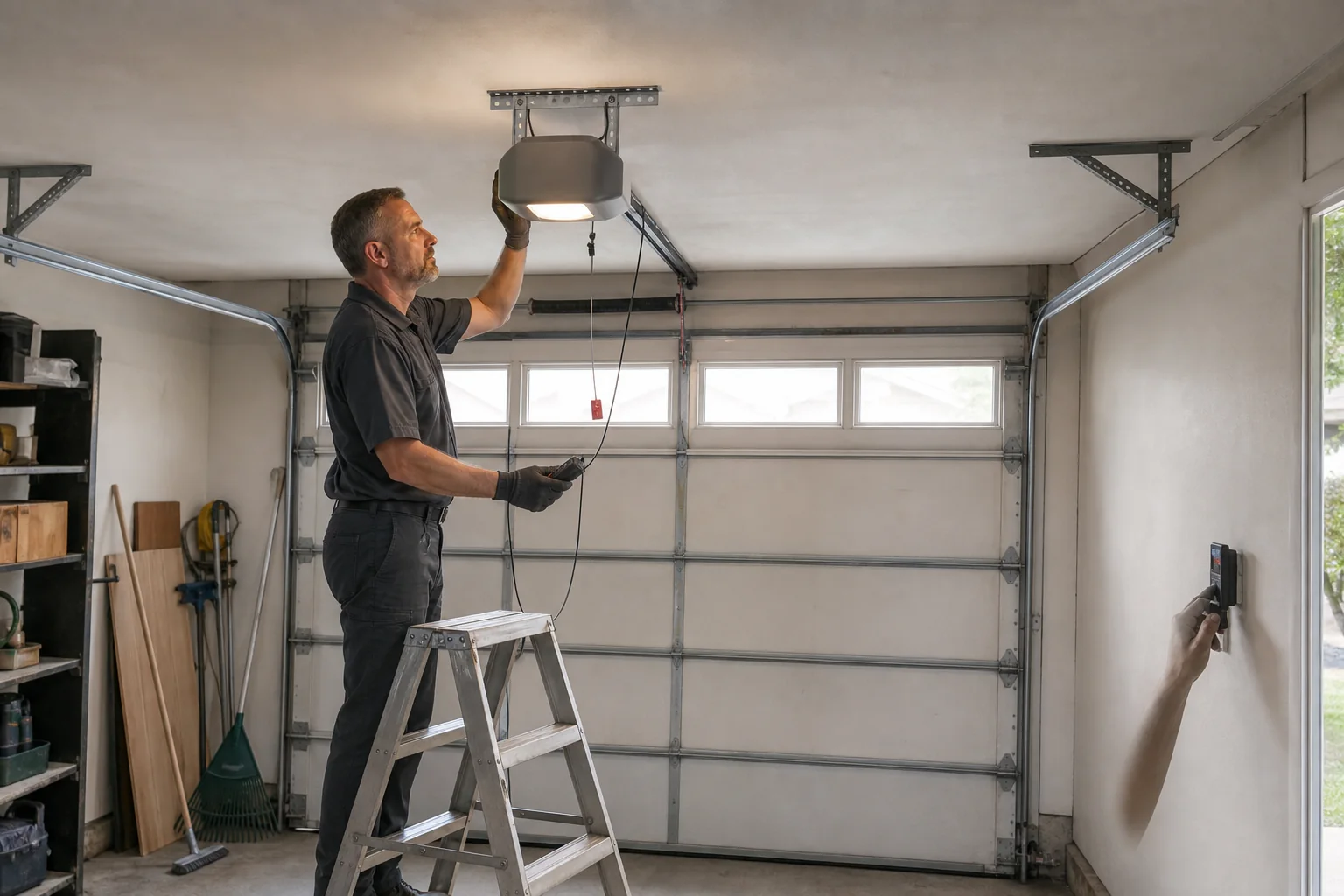
Openers
Motors take the blame for dead springs constantly. Worth knowing which one you've got before you buy an opener you didn't need.
See what's includedToledo guide
Damp air off the lake, half a year of road salt, and a car that drips brine onto the slab every night add up to rusted hardware. It shows first on the lift cables where they wrap the drum, on the bottom brackets, and on rollers that stop spinning and start dragging.
You'll usually hear it before you see it, as a grind or a squeal that gets worse across a few weeks. If a cable has frayed, don't lift the door by hand and don't run the opener again. Tell us how long the noise has been building and whether the door still sits level when it's shut.
The Old West End is full of rear buildings that were never meant to carry a modern overhead door, and plenty of them now do. The openings are wide, the headers sag, and the door hangs off framing that's holding more than it was built for. Old Orchard and DeVeaux have a smaller version of the same thing, a single-width garage at the end of a long side drive.
So measure before anyone raises replacement. Send the width and height of the opening and say whether the building is brick, frame, or a mix, because that decides how the track gets anchored and whether the header needs attention first.
The ground here is flat and holds water, and a garage floor that freezes unevenly doesn't settle back down flat. Around Point Place and on the tight lots in Birmingham you'll find doors that used to shut clean and now leave a wedge of daylight at one corner.
That gap lets the weather in, but the real cost is the strain. The opener keeps forcing the door down onto a high spot until something in the bottom section gives up. Stand inside with the lights off, look along the closed door, and tell us which corner shows light.
Give us the cross streets, whether it's a single or a double, and the sequence: what you pressed, how far it went, what you heard, where it stopped. Say if a car is trapped behind it, because that moves the request up the list.
A photo taken from inside, standing on the floor, beats any description of a part. Send it before 5 p.m. on a weekday and you'll get a human reply the same business day, then a technician confirms scope and price before any work begins. Asking is free and no payment is taken here.
Most common around Toledo
The door stays open, stops, or will not begin closing.
What to do about itA gap appears in the spring above the door or a loud bang precedes a heavy door.
What to do about itSensor lights blink or the door will not close from a remote.
What to do about itThe opener is silent, hums, or runs without moving the door.
What to do about itThe customer wants scope, parts, labor, fees, and alternatives in writing.
What to do about itToledo questions
Stop there. A shudder with no travel usually means the door is being held down: frozen to the slab, jammed on something in the track, or hanging on a broken spring. Running it again is how a shudder turns into a stripped gear or a bent top section. Tell us how cold it is outside, whether the bottom edge is iced in, and whether the door has been noisy lately.
The opener saw something it didn't like. Most of the time that's the safety beam blocked, misaligned or fogged, and the rest of the time the door is landing on a high spot or a lump of ice. Check the sensor lights at each side of the opening, then look for daylight along the bottom of the door when it's shut. Tell us which one matches.
Yes, and that's where this stops being a job you can take on. A broken torsion spring leaves the whole weight of the door on the cables and the bottom brackets, which are still under load. Don't unwind anything, don't remove a bracket, and don't park under a door that's being held up. Take a photo from ground level and leave it alone.
Then the fault probably isn't the beam. Damp Toledo garages corrode sensor terminals and the staples along the wire run, so the lights can glow while the signal drops in and out. It can also be the down travel limit set too far, which makes the opener think the door has hit something. Say whether it reverses at the same point every time, because that separates the two.
That normally means the drive has lost its grip on the door: a stripped plastic gear, a broken chain or belt, or a release trolley left disconnected. Pull the red cord only when the door is fully closed, then try lifting the door by hand. If it's heavy or won't stay where you put it, stop and tell us, because that points at the springs rather than the opener.
You describe the problem, someone comes out and looks at the door, and you are told what they would do and what it costs before any of it starts. Nothing is charged for asking, no payment runs through this site, and turning the work down at that point costs you nothing.
Toledo, OH
The symptom, the state of the hardware, and your cross streets. The scope and the price are agreed with you before work.